AMH blood test: normal levels by age and what they mean
AMH tracks how many eggs your ovaries have left. See normal levels by age, what low and high results usually mean, and what AMH predicts.
AMH (anti-Müllerian hormone) is made by the small, growing follicles in your ovaries, so your blood level tracks how many eggs you have left to work with. More growing follicles means a higher AMH. That makes AMH the standard test of "ovarian reserve", and the best blood test for predicting how many eggs an IVF cycle will collect.1
The short version
- Normal depends on your age. AMH peaks in your mid-20s and falls toward zero at menopause. Labcorp's median is 4.70 ng/mL at ages 20–25, 3.00 at 31–35 and 0.58 at 41–46.23
- Low (fertility specialists use under 1.2 ng/mL) usually means fewer eggs left, most often from age; hormonal birth control lowers it for a while. High for your age most often points to PCOS, which affects 10–13% of women.456
- There's no emergency AMH level. See a clinician soon if your periods stop or turn irregular for 4 months or more before age 40: with a high FSH, that's how premature ovarian insufficiency (POI) is diagnosed.7
- AMH measures egg quantity and predicts how many eggs IVF will collect. It says little about your odds of natural pregnancy: in 750 women aged 30–44, a low AMH made no real difference to conceiving within a year.18
What AMH is
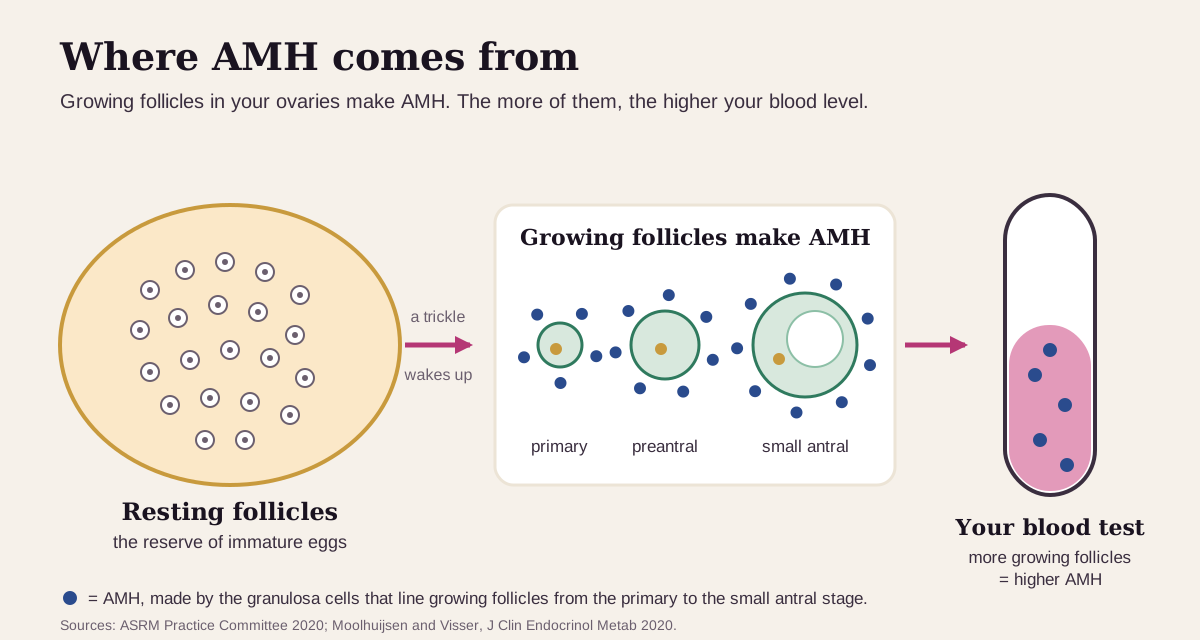
Your ovaries hold a reserve of resting follicles: tiny sacs, each with an immature egg inside. A steady trickle of them wakes up and starts to grow, and the size of that trickle reflects the size of the reserve.10
AMH is made by the granulosa cells that line the growing follicles, from the earliest (primary) stage up to small antral follicles.101 No blood test can count the resting follicles directly, so AMH, which reflects the growing ones, is the best stand-in. Researchers call what it measures the functional ovarian reserve.10
Two things make AMH handy. It falls before FSH (follicle-stimulating hormone, the brain's signal to the ovaries) starts to rise, so it picks up a shrinking reserve earlier. And it stays fairly steady through the menstrual cycle, so you can test on any day.1
The name comes from its first-discovered job. In a male fetus, the testes make AMH to shrink the Müllerian ducts. In a female fetus, AMH stays low and those ducts become the uterus, fallopian tubes and upper vagina.11 (More at the end.)
What's a normal AMH?
Your age is the biggest factor. On average AMH peaks at about 24.5 years, then falls until it is undetectable at menopause.210 So the right comparison is with women your age, and labs print age-specific ranges.
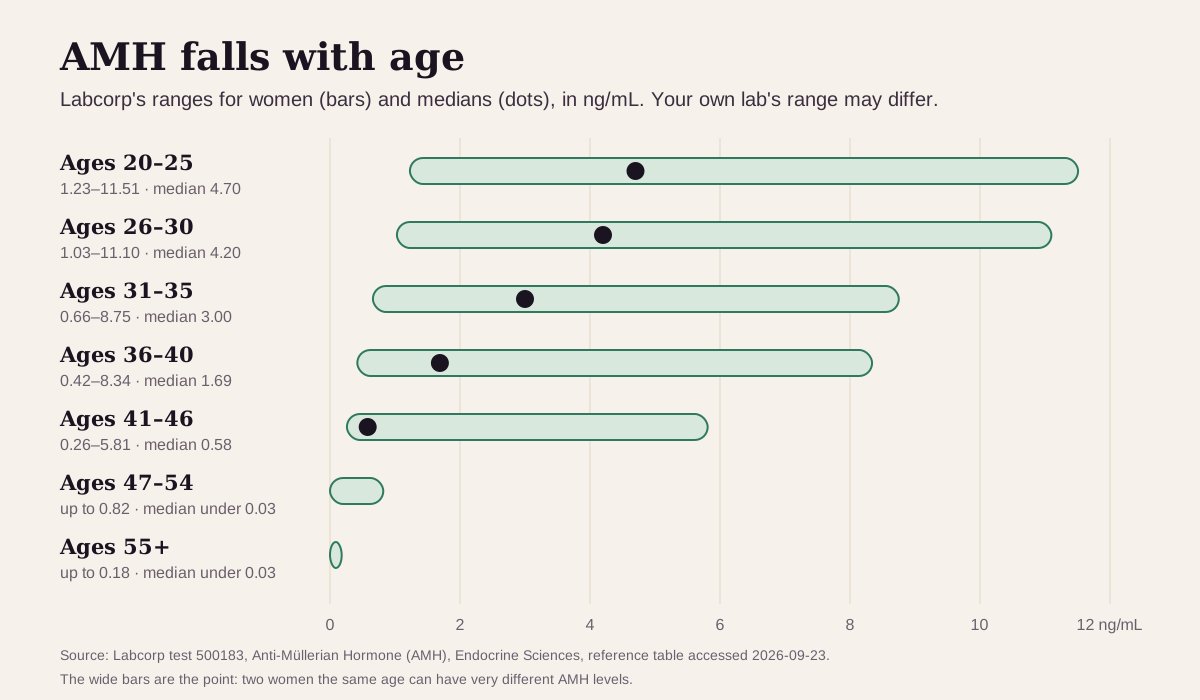
- Labcorp's ranges for women run 1.23–11.51 ng/mL at ages 20–25, 0.66–8.75 at 31–35 and 0.26–5.81 at 41–46. By 47–54 the upper limit is 0.82.3
- In a nomogram of 22,920 women tested at a university hospital in Turkey, the median AMH fell below 1.2 ng/mL by age 36. The share of women under 1.2 rose from 16% at age 18 to 96% at 45.12
The spread at any age is wide. In a model built from 3,260 healthy females, age explained only 34% of the differences in AMH.2 Weight matters too: AMH runs lower in women with a higher BMI.6 And the tests themselves differ. When 16 lab methods measured the same reference sample, their results had a 42% spread.9 Compare your result with your own lab's range.
"Optimal" AMH: what health optimizers aim for
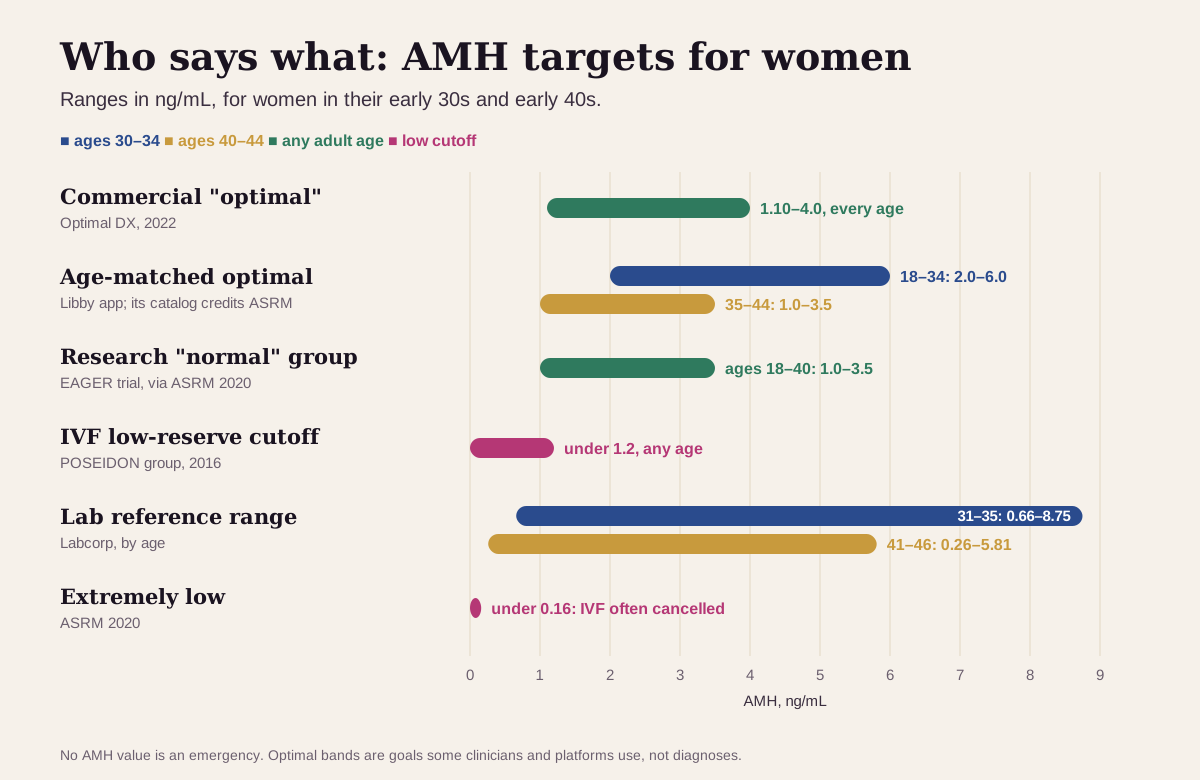
Most markers have one target. AMH has a moving one, because it falls with age for everyone. Optimizers handle that in two ways: one band for all adult women, or a band for your age group. Here's the ladder, from the optimizer targets to the lab's wide range, for women in their early 30s and early 40s:
| Target | Age 30–34 | Age 40–44 | Who uses it |
|---|---|---|---|
| Commercial "optimal" | 1.10–4.0 ng/mL | 1.10–4.0 ng/mL | Optimal DX's published range, the same at every adult age13 |
| Age-matched optimal | 2.0–6.0 ng/mL (app band for ages 18–34) | 1.0–3.5 ng/mL (app band for ages 35–44) | The optimal range shown in the Libby app, one band per age group; the app's catalog credits it to ASRM1 |
| Research "normal" group | 1.0–3.5 ng/mL | (ages 18–40 only) | The comparison group in the EAGER trial1 |
| IVF "low reserve" cutoff | under 1.2 ng/mL | under 1.2 ng/mL | The POSEIDON group of fertility specialists; the older Bologna criteria used 0.5–1.14 |
| Lab reference range | 0.66–8.75 ng/mL (ages 31–35) | 0.26–5.81 ng/mL (ages 41–46) | Labcorp3 |
| Extremely low | under 0.16 ng/mL | under 0.16 ng/mL | ASRM: IVF is often cancelled at this level, but live births still happen1 |
There's no urgent threshold at either end: no AMH level on its own calls for same-day care.
What the evidence behind these targets shows:
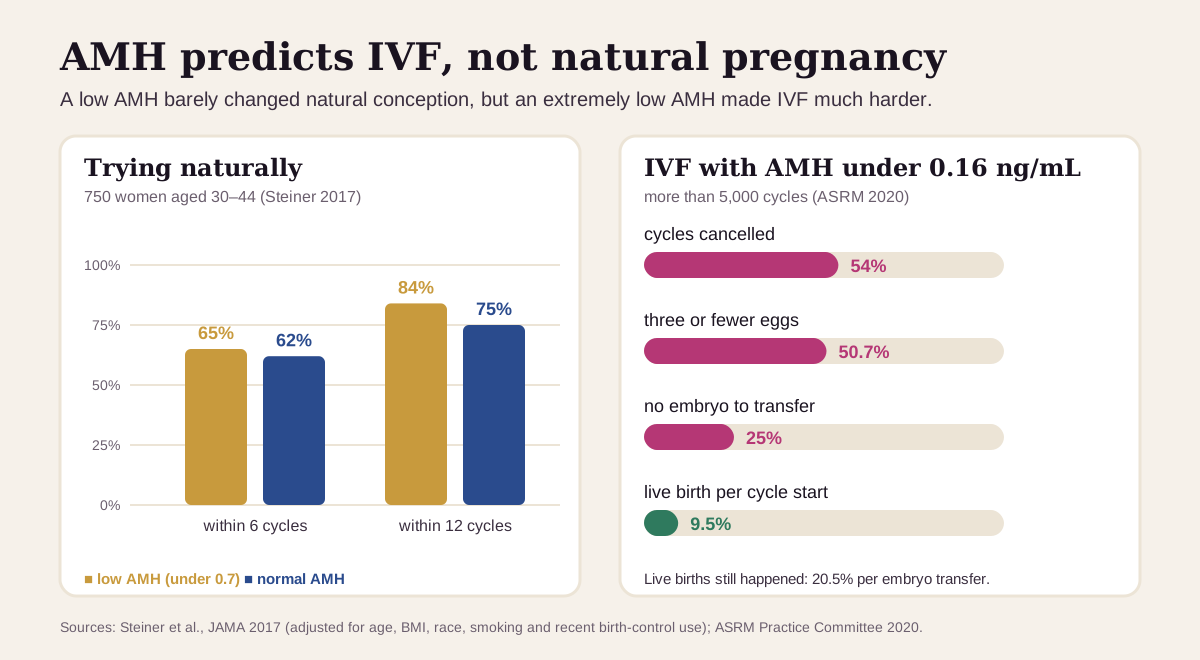
- For IVF, AMH is a strong predictor. It forecasts how many eggs a cycle will collect and flags both poor and excessive responses to the fertility drugs.1 In more than 5,000 U.S. IVF cycles in women with an AMH under 0.16 ng/mL, 54% were cancelled and a quarter had no embryo to transfer. Still, 9.5% of cycle starts ended in a live birth.1
- For getting pregnant naturally, AMH is a weak predictor. In the Time to Conceive study of 750 women aged 30–44, those with a low AMH (under 0.7 ng/mL) had a 65% chance of conceiving within 6 cycles, versus 62% with a normal AMH. By 12 cycles it was 84% vs 75%.8 In the EAGER trial of 1,202 women aged 18–40 who had had a pregnancy loss, those with an AMH under 1 conceived as often as those at 1.0–3.5.1
Keep "optimal" in perspective. An age-matched band tells you where you stand among women your age, which matters most if you're weighing IVF or egg freezing. A flat band like 1.1–4.0 puts most women over 40 below it, and so does a band as wide as the Libby app's 1.0–3.5 for ages 35–44: at age 40, the median in the nomogram was 0.5 ng/mL and 73% of women were under 1.2.12 Higher isn't always better, either, since a very high AMH often comes with PCOS.6 And the American Society for Reproductive Medicine advises against using AMH as a fertility test for women who haven't tried to conceive.1
What a low or high AMH usually means
Read it against your age first. An AMH of 1.0 ng/mL is in the bottom quarter for a 25-year-old and above the median for a 40-year-old.12
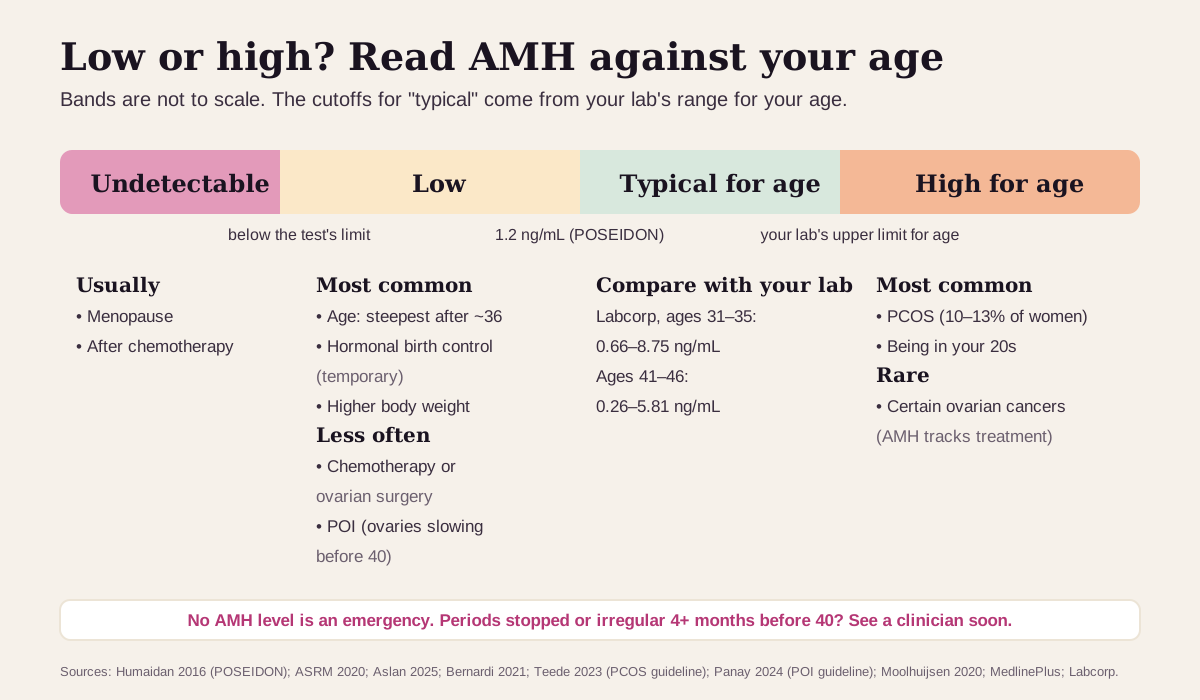
Low for your age: usually age, sometimes the pill
The usual suspects:
- Age. By far the most common reason. The reserve shrinks every year, and the drop is steepest after about 36.12
- Hormonal birth control. In a U.S. study of 1,643 women aged 23–35, current users had 25% lower AMH than never-users; the vaginal ring cut it by 65%.5 The effect wears off: after women stopped a combined pill they had taken for years, AMH rose 53% and leveled off after about 2 months.14 Keep taking your birth control; just tell your clinician which method you use.
- A higher body weight. AMH runs lower with a higher BMI, even though the follicle count on ultrasound shows no link to BMI.10
- Chemotherapy or ovarian surgery. After chemotherapy AMH can drop to nearly undetectable, and the POI guideline lists gynecological surgery among the treatments that can cause POI.107
- Less common: premature ovarian insufficiency (POI). The ovaries winding down before 40 affects about 3.5% of women.7
A low AMH predicts fewer eggs in an IVF cycle.1 Late in the 40s it also signals that menopause is near: women aged 45–49 with an undetectable AMH had a 60% chance of reaching menopause within 5 years.10 What it predicts poorly is your chance of a natural pregnancy (see above).8
Book a visit soon if your periods stop or turn irregular for 4 months or more before age 40, or you have menopause symptoms before 40. With an FSH above 25 IU/L, that pattern is how premature ovarian insufficiency (POI) is diagnosed, and hormone therapy then protects your bones.711
High for your age: usually PCOS
- Polycystic ovary syndrome (PCOS). The most common cause. PCOS affects 10–13% of women worldwide. The 2023 international guideline lets a high AMH stand in for an ultrasound to show polycystic ovaries in adults. A diagnosis still needs the rest of the picture, such as irregular periods or high androgens, and the guideline advises against using AMH in teenagers. Cutoffs are specific to each lab's test.6
- Being young. In your 20s a high-looking number is often just normal for your age.23
- During IVF, a high AMH predicts a strong, sometimes excessive, response to the fertility drugs.1
- Rare: certain ovarian cancers. Doctors use AMH to track some ovarian cancers during treatment: a falling AMH usually means the treatment is working.11
AMH reads best next to its neighbors
On its own, AMH tells you about follicle numbers. Next to FSH, LH, estradiol and testosterone, it helps sort out why a result is low or high, and why periods may be irregular or missing:17
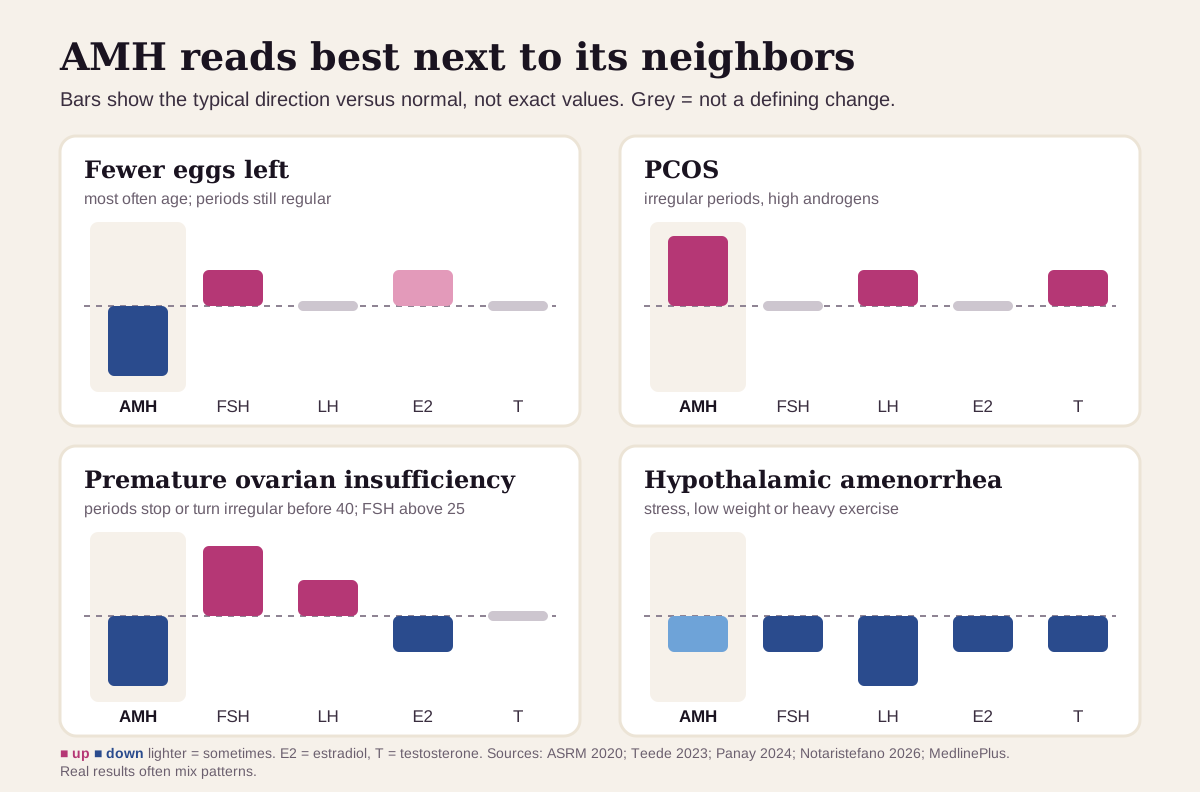
| If you see… | It often points to… |
|---|---|
| AMH low for your age, FSH high early in the cycle (sometimes estradiol high instead), periods still regular | fewer eggs left, most often from age |
| AMH high, testosterone high, LH often high, irregular periods | PCOS |
| AMH very low, FSH above 25, estradiol low, periods stopped or irregular before 40 | premature ovarian insufficiency (POI) |
| AMH normal or somewhat low, with FSH, LH and estradiol all low, missed periods | hypothalamic amenorrhea: stress, low weight or heavy exercise has turned the cycle down |
FSH, LH and estradiol swing through the cycle, so they're usually drawn on day 2–4 of a period. AMH can be drawn on any day.1
How fast AMH changes
AMH clears quickly. Its half-life in the blood is about 27.6 hours. When 21 women had both ovaries removed, 84% of their AMH was gone in 3 days and 95% in 5.16 So AMH reflects the follicles you have now.
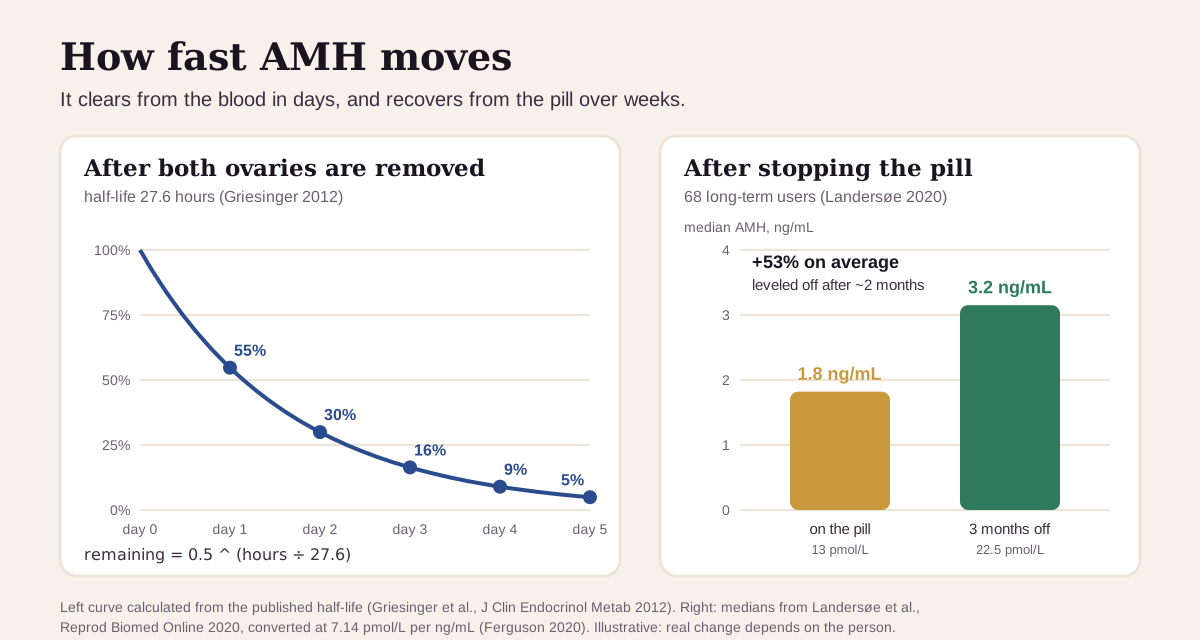
What that means in practice:
- Any cycle day works. AMH stays fairly steady within and between cycles.1
- Birth control shifts it for weeks. After stopping a combined pill, AMH took about 2 months to settle.14
- After your mid-20s it drifts one way. In the nomogram the median fell from 3.3 ng/mL at age 25 to 2.5 at 30, 0.5 at 40 and 0.1 at 45.12
- Trends beat snapshots, from the same lab. Lab methods disagree by enough (that 42% spread) that a change is easiest to trust when both results come from the same lab.9
Going deeper: what AMH does
AMH belongs to the TGF-beta family of growth factors. It takes its name from its role in male development, where it makes the Müllerian ducts regress.10 Boys keep high levels until puberty. In a baby boy with undescended testicles, a normal AMH shows the testicles are working; little or no AMH suggests they are missing or not working.11
In women, AMH and the ultrasound antral follicle count (AFC, the number of small follicles seen on a scan) usually agree, and studies find them equally good at predicting an IVF response. In at least one study they disagreed up to 30% of the time.1
Why the numbers differ between labs. AMH circulates both whole and cut in two, and each test's antibodies and calibrators can treat those forms differently. The standard conversion of 1 ng/mL = 7.14 pmol/L assumes a molecular mass of 140 kDa. In 2020 the WHO set up a shared reference material to study and calibrate these tests.9
Questions worth asking
- Is my AMH low or high for my age, on this lab's range?
- Was I using hormonal birth control when this was drawn, and does that change how you read it?
- What do my FSH, LH, estradiol and testosterone show next to it?
- If I'm considering IVF or egg freezing, what does my AMH suggest about how many eggs a cycle might collect?
- If my periods are irregular, could this be PCOS, and what else do you need to check?
- Should we repeat it, and with the same lab?
FAQ
What is a normal AMH level? It depends on your age. Labcorp's median for women is 4.70 ng/mL at ages 20–25, 3.00 at 31–35 and 0.58 at 41–46.3
Can I get pregnant with a low AMH? Often, yes. In a study of 750 women aged 30–44, those with a low AMH conceived naturally within a year as often as those with a normal AMH. AMH mainly predicts how many eggs an IVF cycle will collect.81
Does birth control lower AMH? Yes. Current users of hormonal birth control had about 25% lower AMH in one large study, and after stopping a combined pill AMH recovered within about 2 months.514
What does a high AMH mean? Most often PCOS, or simply being young. A PCOS diagnosis also needs irregular periods or high androgens, not AMH alone.6
This guide is for education. It can't diagnose you or replace care from a clinician who knows your history.
Footnotes
-
Practice Committee of the American Society for Reproductive Medicine. Testing and interpreting measures of ovarian reserve: a committee opinion. Fertil Steril. 2020;114(6):1151–1157. doi:10.1016/j.fertnstert.2020.09.134. The U.S. fertility society's position: AMH predicts egg yield and IVF response, not natural fertility. Source for the EAGER and Time to Conceive results, the 5,000-cycle analysis of AMH under 0.16 ng/mL, AMH falling before FSH rises, cycle-day stability, FSH on day 2–4, and AMH–AFC disagreement. The Libby app's marker catalog also records ASRM as the source of its AMH optimal bands (2.0–6.0 ng/mL at ages 18–34, 1.0–3.5 at ages 35–44). asrm.org ↩ ↩2 ↩3 ↩4 ↩5 ↩6 ↩7 ↩8 ↩9 ↩10 ↩11 ↩12 ↩13 ↩14 ↩15 ↩16 ↩17 ↩18 ↩19 ↩20 ↩21
-
Kelsey TW, Wright P, Nelson SM, Anderson RA, Wallace WH. A validated model of serum anti-müllerian hormone from conception to menopause. PLoS One. 2011;6(7):e22024. Built from 3,260 healthy females: AMH peaks at 24.5 years and age explains 34% of its variation. PMC ↩ ↩2 ↩3 ↩4
-
Labcorp. Anti-Müllerian Hormone (AMH), Endocrine Sciences (test 500183). Accessed September 23, 2026. Published age-specific ranges and medians for women and men. Labcorp is a commercial laboratory, cited for its reference table. labcorp.com ↩ ↩2 ↩3 ↩4 ↩5 ↩6 ↩7
-
Humaidan P, Alviggi C, Fischer R, Esteves SC. The novel POSEIDON stratification of 'Low prognosis patients in Assisted Reproductive Technology' and its proposed marker of successful outcome. F1000Res. 2016;5:2911. Sets an AMH cutoff of under 1.2 ng/mL and notes the Bologna criteria's 0.5–1.1 ng/mL. PMC ↩ ↩2 ↩3 ↩4
-
Bernardi LA, Weiss MS, Waldo A, et al. Duration, recency, and type of hormonal contraceptive use and antimüllerian hormone levels. Fertil Steril. 2021;116(1):208–217. 1,643 women aged 23–35; current users 25.2% lower, vaginal ring 64.8% lower, combined pill 24.0% lower. PMC ↩ ↩2 ↩3 ↩4
-
Teede HJ, Tay CT, Laven J, et al. Recommendations from the 2023 International Evidence-based Guideline for the Assessment and Management of Polycystic Ovary Syndrome. Hum Reprod. 2023;38(9):1655–1679. PCOS prevalence of 10–13%, AMH to define polycystic ovaries in adults, testosterone for hyperandrogenism, and the effects of age, BMI, contraception and ovarian surgery on AMH. PMC ↩ ↩2 ↩3 ↩4 ↩5 ↩6 ↩7
-
Panay N, Anderson RA, Bennie A, et al. Evidence-based guideline: premature ovarian insufficiency. Hum Reprod Open. 2024;2024(4):hoae065. The ESHRE, ASRM, CRE-WHiRL and IMS guideline: diagnosis from 4 months of disordered cycles plus FSH above 25 IU/L, low estradiol, AMH as a second-line test, prevalence of 3.5%, and hormone therapy for bone health. PMC ↩ ↩2 ↩3 ↩4 ↩5 ↩6 ↩7
-
Steiner AZ, Pritchard D, Stanczyk FZ, et al. Association Between Biomarkers of Ovarian Reserve and Infertility Among Older Women of Reproductive Age. JAMA. 2017;318(14):1367–1376. The Time to Conceive cohort: 750 women aged 30–44 with no history of infertility, followed as they tried to conceive. PMC ↩ ↩2 ↩3 ↩4 ↩5
-
Ferguson J, Hockley J, Rigsby P, Burns C. Establishment of a WHO Reference Reagent for anti-Mullerian hormone. Reprod Biol Endocrinol. 2020;18(1):86. Sixteen lab methods measuring the same material varied with a 42% geometric coefficient of variation; the source of the 1 ng/mL = 7.14 pmol/L convention. PMC ↩ ↩2 ↩3 ↩4 ↩5
-
Moolhuijsen LME, Visser JA. Anti-Müllerian Hormone and Ovarian Reserve: Update on Assessing Ovarian Function. J Clin Endocrinol Metab. 2020;105(11):3361–3373. Review of where AMH comes from, the functional ovarian reserve, BMI, chemotherapy and menopause prediction. PMC ↩ ↩2 ↩3 ↩4 ↩5 ↩6 ↩7 ↩8 ↩9
-
National Library of Medicine. Anti-Müllerian Hormone Test; Luteinizing Hormone (LH) Levels Test; Follicle-Stimulating Hormone (FSH) Levels Test. MedlinePlus. Plain-language uses of AMH (fertility, PCOS, menopause, POI, ovarian cancer, undescended testicles) and what high and low LH and FSH usually mean. AMH · LH · FSH ↩ ↩2 ↩3 ↩4 ↩5 ↩6
-
Aslan K, Kasapoglu I, Kosan B, et al. Age-stratified anti-Müllerian hormone (AMH) nomogram: a comprehensive cohort study including 22.920 women. Front Endocrinol (Lausanne). 2025;16:1612194. Median and 25th–75th percentile AMH for every year of age from 18 to 45, and the share under 1.2 ng/mL. PMC ↩ ↩2 ↩3 ↩4 ↩5 ↩6
-
Optimal DX. Hormone Biomarkers: Anti-Mullerian Hormone in Women. Published July 30, 2022. States: "The ODX Range: 1.10 - 4.0 ng/mL (7.86 - 28.57 pmol/L)". A commercial source, listed as what the optimizer community uses. optimaldx.com ↩ ↩2
-
Landersoe SK, Birch Petersen K, Sørensen AL, et al. Ovarian reserve markers after discontinuing long-term use of combined oral contraceptives. Reprod Biomed Online. 2020;40(1):176–186. 68 women who had taken the pill for a mean of 8 years: median AMH rose from 13 to 22.5 pmol/L, an average rise of 53%, reaching a plateau after 2 months. PubMed ↩ ↩2 ↩3 ↩4
-
Notaristefano G, Tropea A, Samasiuk A, et al. Functional hypothalamic amenorrhea and anti-Müllerian hormone: insights for fertility assessment. J Endocrinol Invest. 2026;49(8):1919–1930. 46 women with hypothalamic amenorrhea against 46 matched controls: AMH comparable overall (lower in the 33 without polycystic-looking ovaries), with lower LH, FSH, estradiol and testosterone. PMC ↩
-
Griesinger G, Dafopoulos K, Buendgen N, et al. Elimination half-life of anti-Müllerian hormone. J Clin Endocrinol Metab. 2012;97(6):2160–2163. 21 premenopausal women after removal of both ovaries: half-life 27.6 hours, about 84% cleared by day 3 and 95% by day 5. PubMed ↩ ↩2
Educational content, not medical advice.Libby is a personal record tool, not a medical service — it doesn't diagnose, treat, or prescribe. Reference ranges vary by lab and by person. Talk to a qualified healthcare professional about your results.
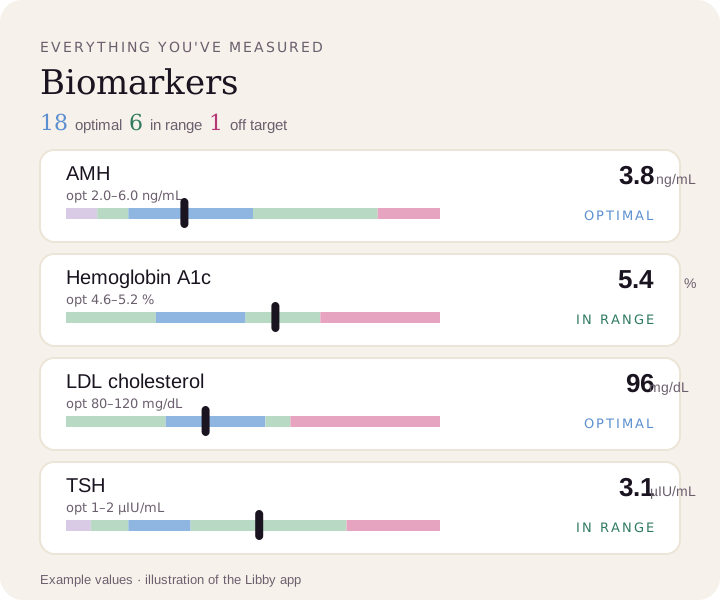
Compare your results to optimal ranges.
Upload a lab PDF or a photo of your report. Libby puts every marker on your lab's range and the optimal range, and tracks your trends over time.
View your AMH ›