Copper blood test: normal levels, high and low causes
Most copper in your blood rides on one protein. Here's the normal range, the optimal ladder, why copper runs high or low, and how to read it with zinc.
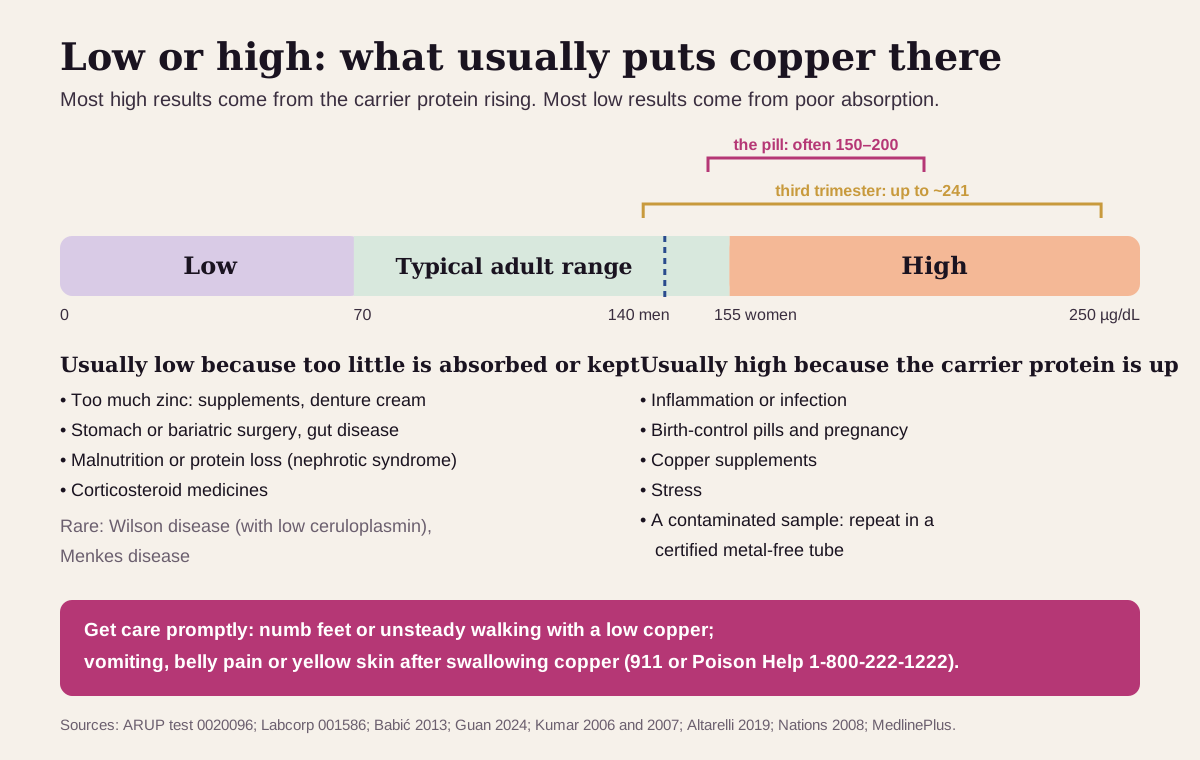
Copper is a mineral your body needs in small amounts, and almost all of the copper in your blood rides on one carrier protein, ceruloplasmin.1 So a copper blood test mostly shows how much loaded carrier your liver is sending out. That's why copper climbs with inflammation, birth-control pills and pregnancy, and falls when too little copper gets absorbed.23
The short version
- Normal: check the range on your report. ARUP, a large reference lab, uses 70–140 µg/dL for men and 80–155 µg/dL for women, and women run higher than men across the U.S. population.34
- High usually means the carrier protein is up: inflammation or infection, birth-control pills or hormone therapy, and pregnancy. Copper supplements and a contaminated sample are less common reasons.32
- Low usually means too little copper is getting in: too much zinc, stomach or weight-loss surgery, or gut disease. Rarely it's Wilson disease, an inherited copper-overload condition.56
- Low copper with numb feet, unsteady walking or low blood counts needs prompt care. Copper deficiency can damage the spinal cord, and early treatment may stop it from getting worse.6
What copper is
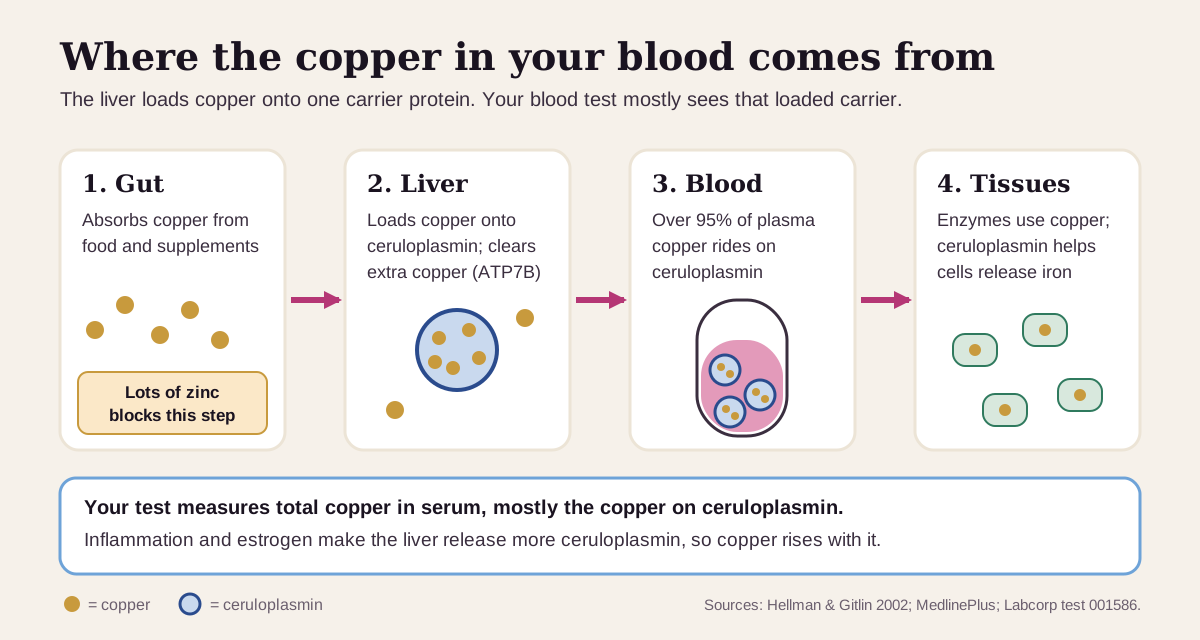
Copper is an essential mineral. Healthy adults need about 0.9 mg a day from food.9 Your body uses it inside enzymes, and its carrier protein, ceruloplasmin, helps cells release their stored iron.1 A copper shortage shows up in the blood count as anemia and low neutrophils, a type of white cell.6
Here's the path your copper takes:
- Your gut absorbs it. Large amounts of zinc block this step. A zinc medicine for Wilson disease works exactly this way.7
- Your liver loads it onto ceruloplasmin, a protein the liver makes.10 A copper pump called ATP7B moves copper out of the liver to the rest of the body and clears the extra.8
- Your blood carries it. Ceruloplasmin holds more than 95% of the copper in plasma.1 So when the liver sends out more ceruloplasmin, during inflammation or under estrogen, your copper result rises with it.2
Clinicians often order copper to look for a deficiency, for example after stomach surgery or with unexplained anemia or nerve symptoms, or as part of a Wilson disease workup alongside ceruloplasmin and a 24-hour urine copper.511
What's a normal copper?
Start with the range printed on your report. Labs set their own ranges, and many split them by sex and age:32
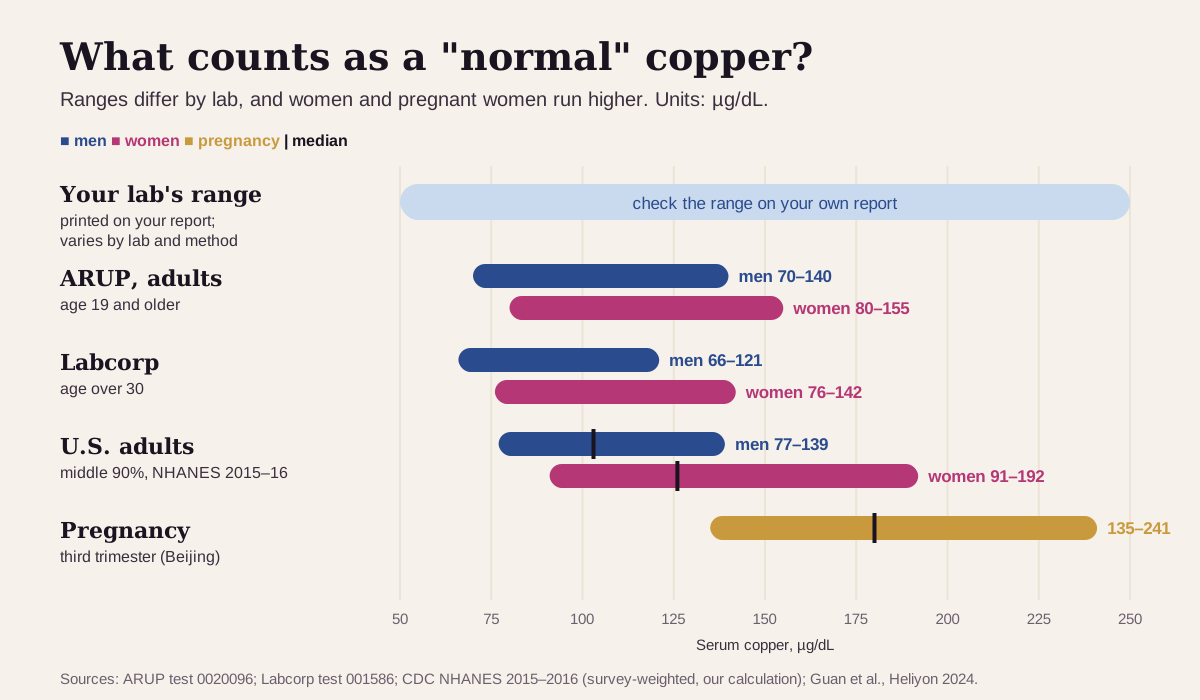
- ARUP Laboratories, a large academic reference lab, uses 70–140 µg/dL for men and 80–155 µg/dL for women aged 19 and older.3
- Labcorp, a national commercial lab, uses 66–121 µg/dL for men and 76–142 µg/dL for women over 30.2
- Across U.S. adults, the middle 90% of results in the CDC's 2015–2016 national survey ran 77–139 µg/dL in men (median 103) and 91–192 µg/dL in women (median 126), by our calculation from the CDC's data.4
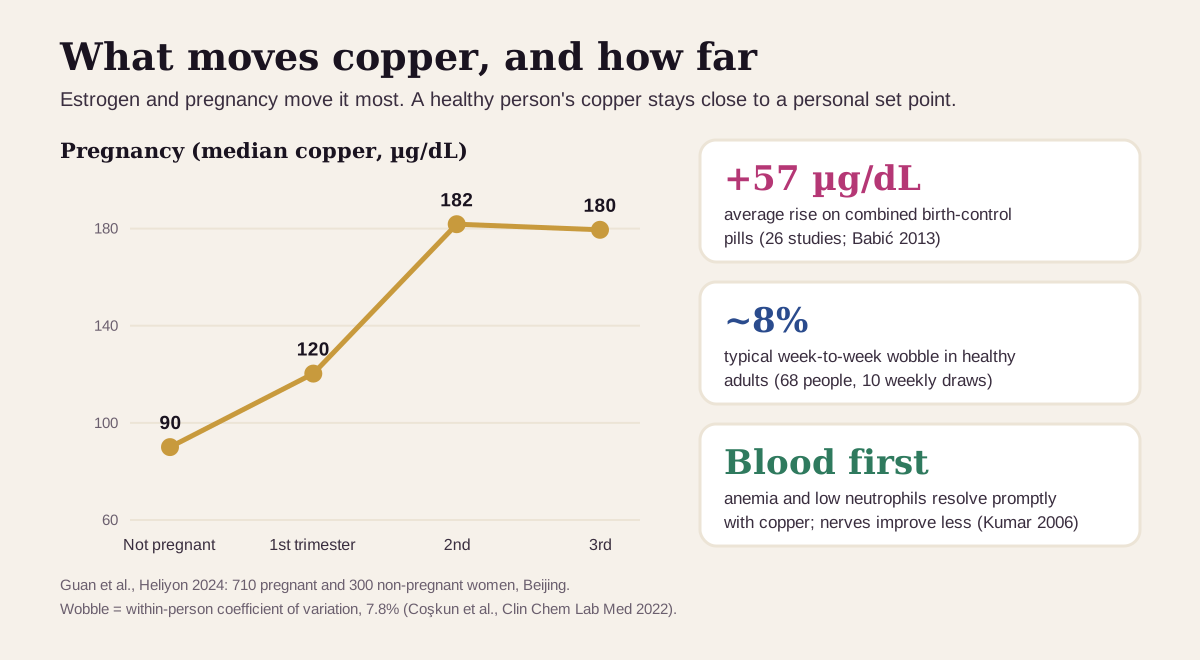
Women run higher than men. Estrogen raises ceruloplasmin, and copper with it.2 Pregnancy raises copper the most. In a Beijing study of 710 pregnant and 300 non-pregnant women, the median rose from 90 µg/dL before pregnancy to 182 µg/dL in the second trimester. The third-trimester range ran 135–241 µg/dL.12
"Optimal" copper: what health optimizers aim for
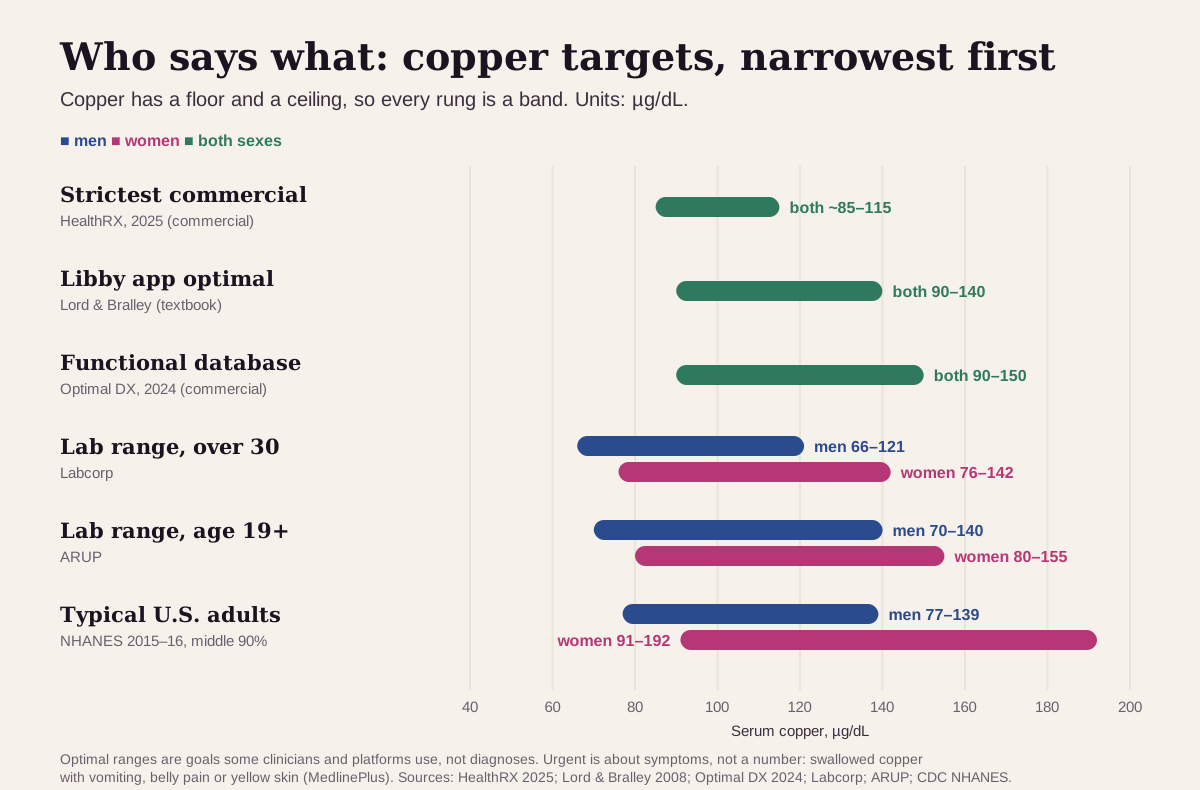
Copper has a floor and a ceiling, so optimizers aim for a band in the middle of the lab range. Here's the full ladder, from the narrowest band to the widest:
| Target | Men | Women | Who uses it |
|---|---|---|---|
| Strictest (commercial) | about 85–115 µg/dL | about 85–115 µg/dL | HealthRX's published "functional optimal" range13 |
| Libby app optimal | 90–140 µg/dL | 90–140 µg/dL | The optimal range shown in the Libby app, which cites the Lord & Bralley functional-medicine textbook14 |
| Functional database (commercial) | 90–150 µg/dL | 90–150 µg/dL | Optimal DX's "ODX range"15 |
| Lab range, age over 30 | 66–121 µg/dL | 76–142 µg/dL | Labcorp2 |
| Lab range, adults | 70–140 µg/dL | 80–155 µg/dL | ARUP3 |
| Typical U.S. adults (middle 90%) | 77–139 µg/dL | 91–192 µg/dL | CDC NHANES 2015–2016, our calculation4 |
| Urgent | symptoms, not a number | symptoms, not a number | Swallowed copper with vomiting, belly pain or yellow skin: call 911 or Poison Help16 |
Why the ceiling:
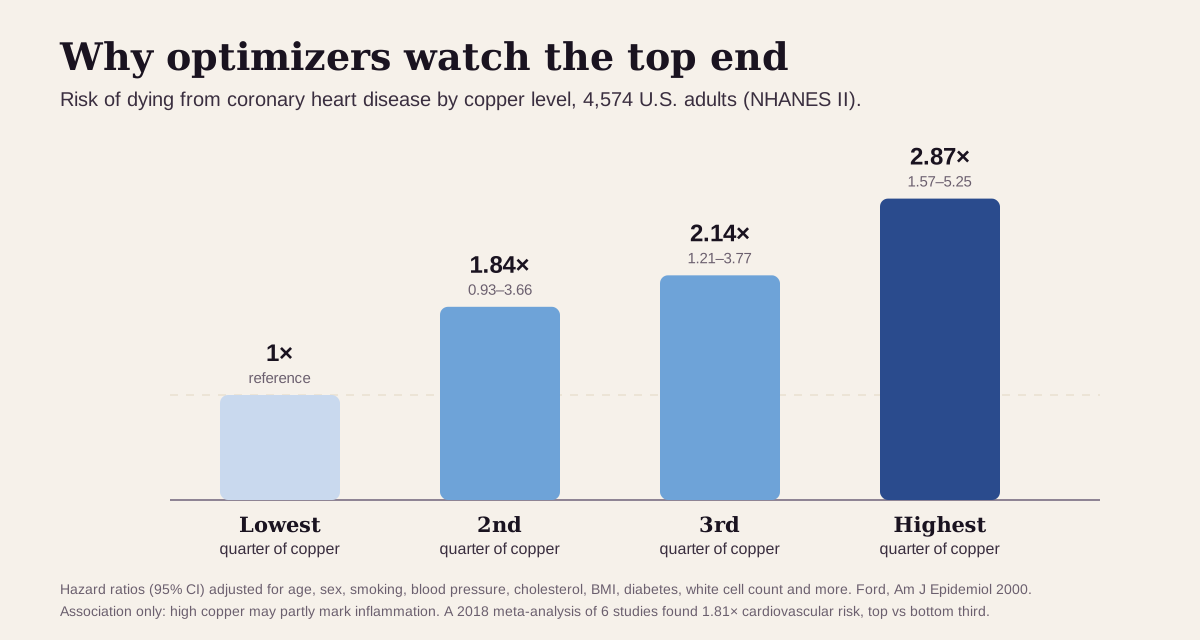
- In 4,574 U.S. adults in the CDC's NHANES II survey, people in the highest quarter of copper had 2.87 times the risk of dying from coronary heart disease, compared with the lowest quarter. That was after adjusting for smoking, blood pressure, cholesterol, diabetes and more.17
- A 2018 BMJ meta-analysis of 6 studies found 1.81 times the cardiovascular risk and 2.22 times the coronary risk in the top third of copper compared with the bottom third.18
Why the floor: copper deficiency causes anemia, low neutrophils, and a spinal-cord problem with a stiff, unsteady walk.6 In a Mayo Clinic review of 57 adults with low copper, 38 had a deficiency with an identified cause and 6 had Wilson disease.5
Keep "optimal" in perspective: these are targets, not diagnoses. A copper of 170 on birth-control pills fits the usual estrogen effect. A 26-study meta-analysis found the pill commonly lifts copper to 150–200 µg/dL, levels the authors described as above reference ranges but not considered toxic.19 The heart studies show an association, and high copper often travels with inflammation. So a high result is a reason to look at CRP, your medicines and your supplements before anything else.172
What a high or low copper usually means
The direction is the first clue. Most high results come from the carrier protein rising. Most low results come from too little copper getting absorbed or kept.26
High copper: usually the carrier, rarely an overload
The usual suspects:
- Inflammation or infection. Ceruloplasmin is an "acute-phase" protein: the liver makes more of it when you're inflamed or fighting an infection, and copper rises with it.2 Rheumatoid arthritis and chronic infections are classic examples.10
- Estrogen. Combined birth-control pills raise copper by about 57 µg/dL on average across 26 studies.19 Estrogen therapy works the same way, by raising ceruloplasmin.2
- Pregnancy. Copper climbs from the first trimester and roughly doubles by the second.12 ARUP notes it can reach up to 3 times normal in the third trimester.3
- Copper supplements, and stress.3
- A contaminated sample. Copper on skin or in an ordinary tube can raise the result. ARUP recommends repeating an unexpected high in a certified metal-free tube.3 Labcorp asks for the serum to be separated within 45 minutes and moved to a metal-free tube.2
Low copper: usually too little getting in
The usual suspects:
- Too much zinc. Zinc supplements and zinc-heavy denture creams have caused copper deficiency. The creams in one report held 17,000–34,000 µg of zinc per gram.20 In one adult who took extra zinc for 10 months, the anemia and low white cells were first mistaken for iron deficiency.21
- Stomach or weight-loss surgery, and gut disease. Gastric bypass is now a frequent cause of severe copper deficiency.9 Gut disease or surgery was a common cause in the Mayo series.5
- Malnutrition or protein loss. Low blood proteins, as in nephrotic syndrome, malabsorption or malnutrition, pull copper down.2
- Corticosteroid medicines.3 Keep taking a prescribed medicine until you've talked with your clinician, and bring your full list, supplements included.
- Rare but important: Wilson disease, which affects about 1 in 30,000 people, and Menkes disease, an inherited copper disorder in infants.810
Get prompt care if a low copper comes with numb or tingling feet, unsteady walking, or low blood counts. Copper replacement fixes anemia and low neutrophils promptly and may stop nerve damage from getting worse.6 If someone has swallowed a product containing copper and has vomiting, belly pain, diarrhea or yellow skin, call 911 or Poison Help at 1-800-222-1222.16
Copper reads best next to its neighbors
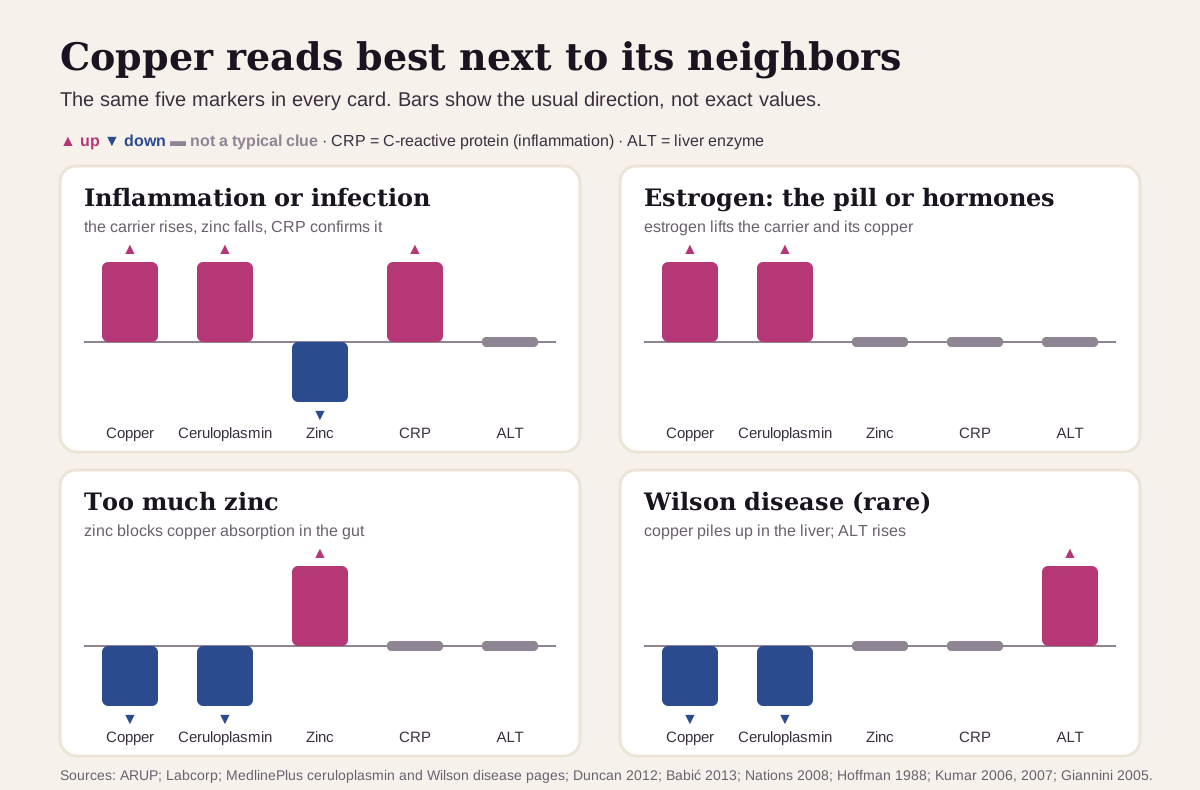
Copper says the most when you read it with ceruloplasmin (its carrier), zinc (its rival for absorption), CRP (a marker of inflammation) and ALT (a liver enzyme):
| If you see… | It often points to… |
|---|---|
| Copper and ceruloplasmin both high, CRP high, zinc low | inflammation or infection lifting the carrier. Zinc falls with inflammation, and one large lab study judged zinc readable only with a CRP under 20 mg/L222 |
| Copper and ceruloplasmin both high in someone on the pill or estrogen therapy | an estrogen effect, often 150–200 µg/dL on the pill192 |
| Copper high and zinc lower during pregnancy | normal pregnancy: copper roughly doubles and zinc drifts down by the second trimester12 |
| Copper and ceruloplasmin low, zinc high, often with anemia or low neutrophils | too much zinc blocking copper absorption20216 |
| Copper and ceruloplasmin low, ALT high, especially under age 40 | Wilson disease is worth ruling out with a 24-hour urine copper and an eye exam5117 |
| A high copper with no clear reason | a repeat in a certified metal-free tube3 |
Wilson disease is rare but treatable, so it's worth knowing its shape. It usually shows up before age 40, with liver trouble, or with tremor, trouble walking or mood changes.7 Clinicians suspect it in young people with raised liver enzymes, especially with nerve or mood symptoms or signs of red-cell breakdown, and test ceruloplasmin, serum copper and a 24-hour urine copper.11
How fast copper changes
Your own copper is steady. In 68 healthy adults tested weekly for 10 weeks, copper wobbled only about 7.8% around each person's own level. The authors found copper so individual that they advised against judging a person's changes with population ranges.23
What that means in practice:
- Trends beat snapshots. Compare a new result with your own earlier ones, ideally from the same lab, since labs use different ranges.233
- Estrogen and pregnancy move it most: about 57 µg/dL on the pill, and a near-doubling by the second trimester.1912
- Inflammation lifts it while it lasts, because the carrier protein rises.2
- Too much zinc takes a while to undo. In one case, two months of oral copper failed to fix the anemia. The doctors concluded that excess zinc clears slowly and keeps blocking copper until it does.21
- Blood recovers first. Copper replacement fixes anemia and low neutrophils promptly and completely. Nerve damage improves less, so the main goal is to stop it from getting worse.6
Going deeper: ceruloplasmin, iron and the copper-to-zinc ratio
Ceruloplasmin is more than a copper taxi. It's a ferroxidase, an enzyme that helps set how fast cells release their stored iron. People born without working ceruloplasmin develop a nerve-damaging disease.1 This iron link helps explain why copper deficiency causes an anemia that iron fails to fix, as in the zinc case above.21
The copper-to-zinc ratio divides copper by zinc, both in µg/dL. The Libby app calculates it when you have both results and shows an optimal range of 0.7–1.0, from Lord & Bralley.14 In 4,035 French men followed for 18 years, the top quarter of copper went with 1.5 times the risk of death from any cause, and low zinc plus high copper with 2.6 times.24 Inflammation pushes the ratio up from both sides, since copper rises while zinc falls.222
Questions worth asking
- Was my sample collected in a metal-free (trace-element) tube?
- Could inflammation, birth-control pills, hormone therapy or pregnancy explain a high result? Should we check CRP and ceruloplasmin?
- Am I getting too much zinc from supplements or denture cream?
- If my copper is low, should we check my blood count and vitamin B12 too? Copper and B12 deficiency can look alike and can occur together.6
- Given my age, liver tests and symptoms, is Wilson disease worth ruling out?
- When should we repeat it, and can we use the same lab?
FAQ
What is a normal copper level? It depends on your lab. ARUP's adult range is about 70–140 µg/dL for men and 80–155 µg/dL for women, and pregnant women run much higher.312
Why is my copper high? Most often the carrier protein ceruloplasmin is up from inflammation, infection, birth-control pills or pregnancy. Copper supplements and a contaminated tube are less common reasons.32
Can zinc supplements lower copper? Yes. Large amounts of zinc block copper absorption and can cause copper deficiency, with anemia, low white cells and nerve damage.206
Is high copper from the pill dangerous? Combined pills often raise copper to 150–200 µg/dL. A 26-study meta-analysis described those levels as above reference ranges but not considered toxic.19
This guide is for education. It can't diagnose you or replace care from a clinician who knows your history.
Footnotes
-
Hellman NE, Gitlin JD. Ceruloplasmin metabolism and function. Annu Rev Nutr. 2002;22:439–458. Ceruloplasmin holds more than 95% of plasma copper and sets the rate of iron release from cells. PubMed ↩ ↩2 ↩3 ↩4 ↩5
-
Labcorp, a commercial laboratory. Copper, Serum or Plasma, test 001586. Adult ranges by sex and age; ceruloplasmin as an acute-phase protein that carries copper up with inflammation and estrogen; low copper with low serum proteins; 45-minute separation into a metal-free tube. Labcorp ↩ ↩2 ↩3 ↩4 ↩5 ↩6 ↩7 ↩8 ↩9 ↩10 ↩11 ↩12 ↩13 ↩14 ↩15 ↩16 ↩17 ↩18 ↩19 ↩20 ↩21 ↩22 ↩23
-
ARUP Laboratories (the University of Utah's nonprofit reference laboratory). Copper, Serum or Plasma, test 0020096. Its commercial test directory lists adult ranges of 70–140 µg/dL (men) and 80–155 µg/dL (women), contamination advice, and the effects of inflammation, stress, supplements, oral contraceptives, pregnancy, corticosteroids and zinc. ARUP ↩ ↩2 ↩3 ↩4 ↩5 ↩6 ↩7 ↩8 ↩9 ↩10 ↩11 ↩12 ↩13 ↩14 ↩15 ↩16 ↩17 ↩18
-
Centers for Disease Control and Prevention, National Center for Health Statistics. NHANES 2015–2016 Serum Copper, Selenium and Zinc (CUSEZN_I), measured by ICP-DRC-MS in a one-third subsample. Percentiles for adults 20 and older (864 men, 880 women) calculated by Libby Health with the survey's subsample weights. CDC ↩ ↩2 ↩3 ↩4 ↩5
-
Kumar N, Butz JA, Burritt MF. Clinical significance of the laboratory determination of low serum copper in adults. Clin Chem Lab Med. 2007;45(10):1402–1410. 57 Mayo Clinic patients with low copper: 38 with an identified deficiency, 6 with Wilson disease. PubMed ↩ ↩2 ↩3 ↩4 ↩5 ↩6 ↩7
-
Kumar N. Copper deficiency myelopathy (human swayback). Mayo Clin Proc. 2006;81(10):1371–1384. Anemia, neutropenia and a spinal-cord syndrome; causes include gastric surgery, excess zinc and malabsorption; blood counts recover promptly with copper. PubMed ↩ ↩2 ↩3 ↩4 ↩5 ↩6 ↩7 ↩8 ↩9 ↩10 ↩11 ↩12 ↩13
-
National Library of Medicine. Wilson disease. MedlinePlus Medical Encyclopedia. Reviewed August 18, 2024. Symptoms usually before age 40; high AST and ALT with liver involvement; zinc acetate blocks copper absorption. MedlinePlus ↩ ↩2 ↩3 ↩4 ↩5
-
National Library of Medicine. Wilson disease. MedlinePlus Genetics. About 1 in 30,000 people; the ATP7B protein moves copper out of the liver and eliminates excess copper. MedlinePlus ↩ ↩2 ↩3
-
Altarelli M, Ben-Hamouda N, Schneider A, Berger MM. Copper Deficiency: Causes, Manifestations, and Treatment. Nutr Clin Pract. 2019;34(4):504–513. Needs of 0.9 mg/day; bariatric bypass as a frequent cause of severe deficiency. PubMed ↩ ↩2 ↩3
-
National Library of Medicine. Ceruloplasmin blood test. MedlinePlus Medical Encyclopedia. Reviewed February 13, 2025. Made in the liver; low in Wilson disease, malabsorption, malnutrition, nephrotic syndrome and Menkes syndrome; high with infections, rheumatoid arthritis, pregnancy and birth-control pills. MedlinePlus ↩ ↩2 ↩3 ↩4
-
Giannini EG, Testa R, Savarino V. Liver enzyme alteration: a guide for clinicians. CMAJ. 2005;172(3):367–379. Suspect Wilson disease in young people with raised liver enzymes; test ceruloplasmin and serum and 24-hour urine copper. PMC ↩ ↩2 ↩3 ↩4
-
Guan L, Ma C, Lin L, Qiu L. Establishment of discrete reference interval and next-generation reference interval for copper and zinc during pregnancy using real-world data. Heliyon. 2024;10(13):e33856. 710 pregnant and 300 non-pregnant women in Beijing; copper medians by trimester and trimester-specific ranges. PMC ↩ ↩2 ↩3 ↩4 ↩5 ↩6 ↩7 ↩8
-
HealthRX. Copper Lab Results: Normal Range vs. Functional Optimal Levels Explained. Updated July 14, 2025. States a functional optimal range of about 85–115 µg/dL for both sexes. A commercial source, listed as what the optimizer community uses. healthrx.com ↩ ↩2
-
Lord RS, Bralley JA, eds. Laboratory Evaluations for Integrative and Functional Medicine. 2nd ed. Metametrix Institute; 2008. ISBN 978-0967394947. Widely used functional-medicine laboratory reference, and the source the Libby app cites for its copper optimal range (90–140 µg/dL) and copper-to-zinc ratio (0.7–1.0). ↩ ↩2 ↩3
-
Optimal DX. Mineral Biomarkers: Serum Copper. 2023, updated April 2024. States an "ODX range" of 90–150 µg/dL. A commercial source, listed as what the optimizer community uses. optimaldx.com ↩ ↩2
-
National Library of Medicine. Copper poisoning. MedlinePlus Medical Encyclopedia. Reviewed July 1, 2025. Symptoms after swallowing copper and the Poison Help number. MedlinePlus ↩ ↩2 ↩3
-
Ford ES. Serum copper concentration and coronary heart disease among US adults. Am J Epidemiol. 2000;151(12):1182–1188. NHANES II, 4,574 adults aged 30 and older; hazard ratios 1.84, 2.14 and 2.87 for the second to highest quarters of copper. PubMed ↩ ↩2 ↩3
-
Chowdhury R, Ramond A, O'Keeffe LM, et al. Environmental toxic metal contaminants and risk of cardiovascular disease: systematic review and meta-analysis. BMJ. 2018;362:k3310. For copper (6 studies), top vs bottom third: cardiovascular disease 1.81, coronary heart disease 2.22. PMC ↩
-
Babić Ž, Tariba B, Kovačić J, Pizent A, Varnai VM, Macan J. Relevance of serum copper elevation induced by oral contraceptives: a meta-analysis. Contraception. 2013;87(6):790–800. 26 studies; combined pills raised mean copper by 0.57 mg/L (57 µg/dL). PubMed ↩ ↩2 ↩3 ↩4 ↩5 ↩6 ↩7 ↩8
-
Nations SP, Boyer PJ, Love LA, et al. Denture cream: an unusual source of excess zinc, leading to hypocupremia and neurologic disease. Neurology. 2008;71(9):639–643. Four patients with low copper and high zinc; creams held about 17,000–34,000 µg zinc per gram. PubMed ↩ ↩2 ↩3 ↩4 ↩5
-
Hoffman HN 2nd, Phyliky RL, Fleming CR. Zinc-induced copper deficiency. Gastroenterology. 1988;94(2):508–512. Anemia and low white cells after 10 months of excess zinc; copper and ceruloplasmin rose and counts recovered only after intravenous copper. PubMed ↩ ↩2 ↩3 ↩4 ↩5
-
Duncan A, Talwar D, McMillan DC, Stefanowicz F, O'Reilly DS. Quantitative data on the magnitude of the systemic inflammatory response and its effect on micronutrient status based on plasma measurements. Am J Clin Nutr. 2012;95(1):64–71. 2,217 samples: zinc fell as CRP rose, and zinc was judged reliable only with CRP under 20 mg/L. PubMed ↩ ↩2 ↩3
-
Coşkun A, Carobene A, Aarsand AK, et al. Within- and between-subject biological variation data for serum zinc, copper and selenium obtained from 68 apparently healthy Turkish subjects. Clin Chem Lab Med. 2022;60(4):533–542. Weekly samples for 10 weeks; within-person variation for copper 7.8%. PubMed ↩ ↩2 ↩3
-
Leone N, Courbon D, Ducimetiere P, Zureik M. Zinc, copper, and magnesium and risks for all-cause, cancer, and cardiovascular mortality. Epidemiology. 2006;17(3):308–314. 4,035 Paris men followed for 18 years. PubMed ↩
Educational content, not medical advice.Libby is a personal record tool, not a medical service — it doesn't diagnose, treat, or prescribe. Reference ranges vary by lab and by person. Talk to a qualified healthcare professional about your results.
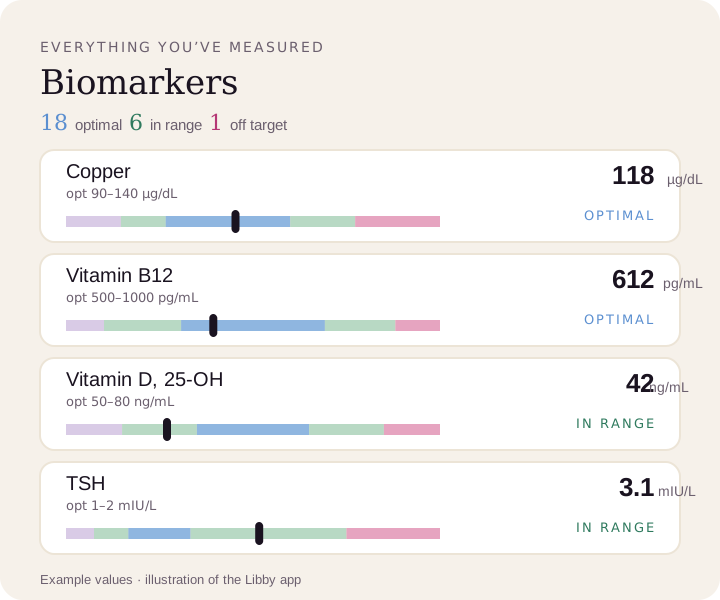
Compare your results to optimal ranges.
Upload a lab PDF or a photo of your report. Libby puts every marker on your lab's range and the optimal range, and tracks your trends over time.
View your copper ›