ApoB test: normal and optimal levels, and what high means
ApoB counts the particles that clog arteries. Here's a normal level, the optimal targets, why it can be high when LDL looks fine, and what moves it.
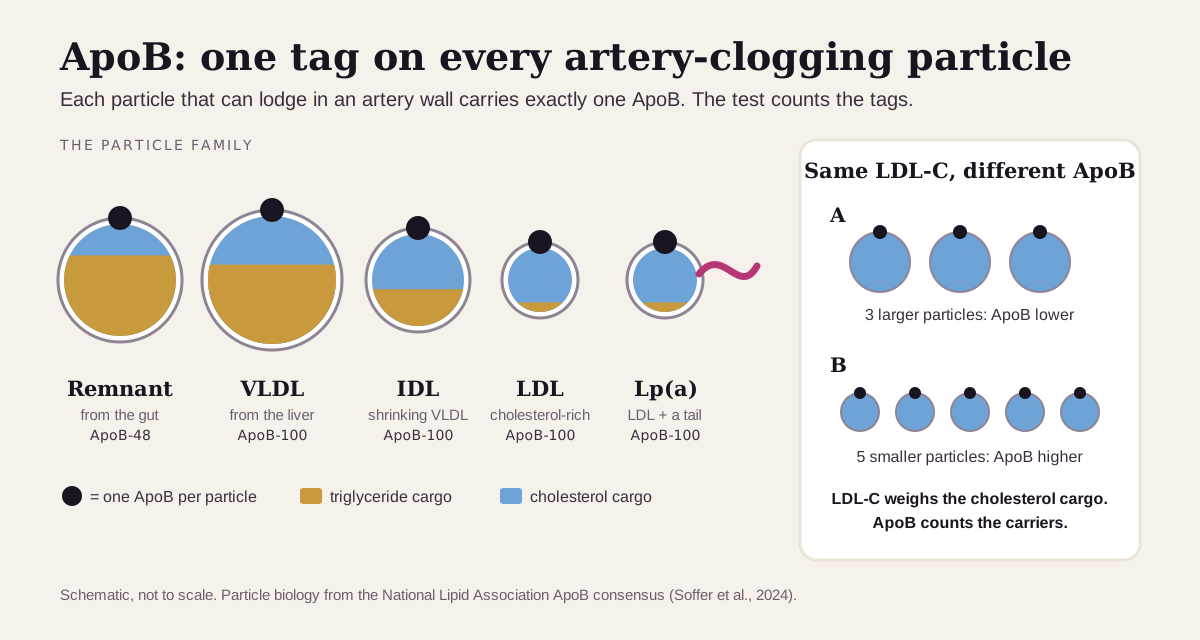
ApoB (apolipoprotein B) is the protein tag on every particle that can clog your arteries: LDL, VLDL, their remnants and Lp(a). Each of those particles carries exactly one ApoB, so your ApoB level is a head count of them.1 LDL cholesterol measures how much cholesterol those particles carry. ApoB counts the particles themselves, and across large studies the count tracks heart risk more closely than the cholesterol does.2
The short version
- Normal: lab ranges run up to about 117–133 mg/dL. The typical untreated U.S. adult sits at 90 mg/dL, and 130 or more puts you in roughly the top 10%.31
- Optimal: health optimizers aim for under 80 mg/dL, the top of the optimal range in the Libby app. For people with heart disease or diabetes, lipid specialists use 70, and 60 at the very highest risk.41
- High ApoB usually comes from extra weight and insulin resistance, your genes, diet, an underactive thyroid, kidney disease or some medicines. It can run high even when LDL cholesterol looks fine.13
- The urgent case is symptoms, not the number: chest pressure or pain, shortness of breath, or pain spreading to the arm, back or jaw means call 911.5
What ApoB is
Fat and cholesterol travel through your blood inside particles. Your liver sends out a large, triglyceride-rich particle called VLDL. As it drops off its triglyceride (fat) around the body, it shrinks into IDL and then LDL, the particle most people know as "bad cholesterol."67 Your gut packs the fat from a meal into its own particles, which leave behind remnants. Lp(a) is an LDL-like particle with an extra protein tail.1
Every one of these particles is built around a single ApoB molecule. The liver's particles carry the full-length form, ApoB-100. The gut's carry a shorter form, ApoB-48. ApoB stays with its particle for life, one per particle, so a blood test for it works as a particle count.1
These are the particles that get into the artery wall. ApoB's electric charge helps trap them there, which is where plaque starts.1
ApoB vs LDL cholesterol. A standard lipid panel measures cholesterol, the cargo. ApoB counts the carriers. Most of the time the two agree. When they disagree, it's usually because the particles are small and carry less cholesterol each, so there are more of them for the same LDL cholesterol. That happens most often with high triglycerides, extra weight and insulin resistance.1
That's why the 2026 U.S. cholesterol guideline suggests measuring ApoB in people with type 2 diabetes, high triglycerides, heart disease or cardiovascular-kidney-metabolic syndrome once their LDL goals are met. In those groups, it calls ApoB possibly a more accurate risk marker than LDL cholesterol.7
What's a normal ApoB?
Start with the range on your own report, because labs differ. Cleveland Clinic lists a normal ApoB of 66–133 mg/dL for men and 60–117 mg/dL for women.3
Lab ranges describe the middle of the population. In untreated U.S. adults (NHANES 2005–2016), the median ApoB was 90 mg/dL, with the 10th percentile at 61 and the 90th at 125.1 Heart-risk groups draw the line lower:
- The European Atherosclerosis Society and the European Federation of Clinical Chemistry ask labs to flag an ApoB of 100 mg/dL or higher as abnormal.8
- U.S. guidance treats 130 mg/dL or higher, about the 90th percentile, as a risk-enhancing factor that warrants a talk about starting or stepping up treatment.1
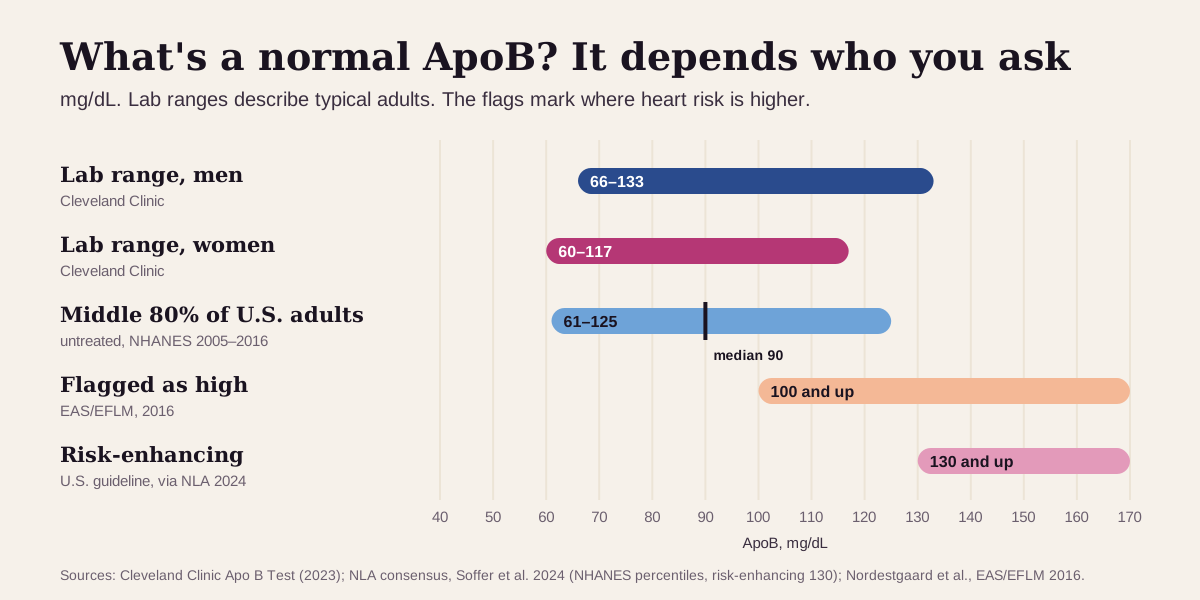
Lab ranges split by sex. The heart-risk cut points are set by overall risk group, and they're the same for men and women.13
You can eat first. Average ApoB stays the same after an ordinary meal, so a non-fasting sample works.8 If ApoB is drawn with a full lipid panel, follow the lab's instructions for the panel.3
"Optimal" ApoB: what health optimizers aim for
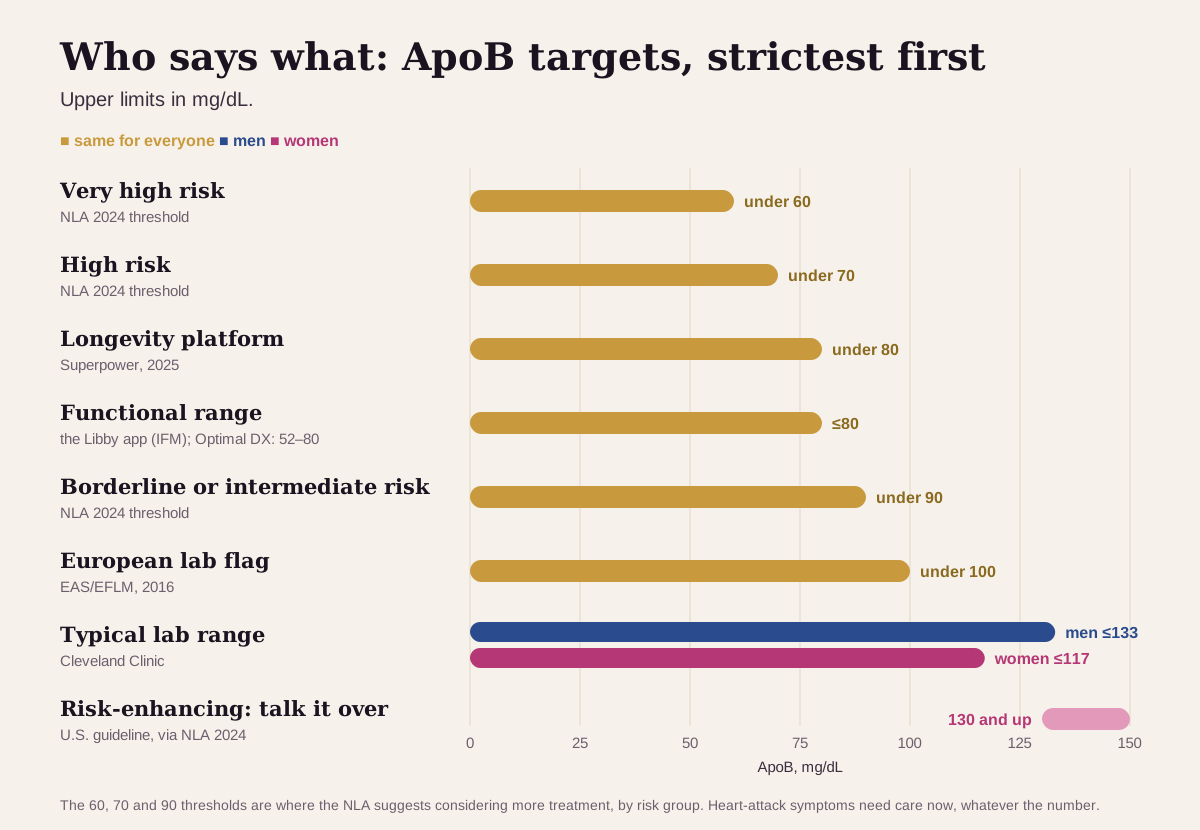
Longevity clinics and lipid specialists aim well below the lab's upper limit. Here's the full ladder, from strictest to loosest:
| Target | Men | Women | Who uses it |
|---|---|---|---|
| Very high risk | under 60 mg/dL | under 60 mg/dL | National Lipid Association (NLA) threshold, highest-risk group1 |
| High risk | under 70 mg/dL | under 70 mg/dL | NLA threshold, high-risk group1 |
| Longevity platform | under 80 mg/dL | under 80 mg/dL | Superpower's published optimal range4 |
| Functional range | 80 mg/dL or lower | 80 mg/dL or lower | The optimal range shown in the Libby app, recorded from the Institute for Functional Medicine;9 the Optimal DX functional database lists 52–8010 |
| Borderline or intermediate risk | under 90 mg/dL | under 90 mg/dL | NLA threshold, moderate-risk group1 |
| European lab flag | under 100 mg/dL | under 100 mg/dL | EAS/EFLM: labs flag 100 or more as abnormal8 |
| Typical lab range | up to 133 mg/dL | up to 117 mg/dL | Cleveland Clinic3 |
| Risk-enhancing | 130 mg/dL or more | 130 mg/dL or more | U.S. guidance: time to talk about treatment1 |
| Urgent | heart-attack symptoms | heart-attack symptoms | Call 911, whatever the number5 |
Why the low targets aren't just a trend:
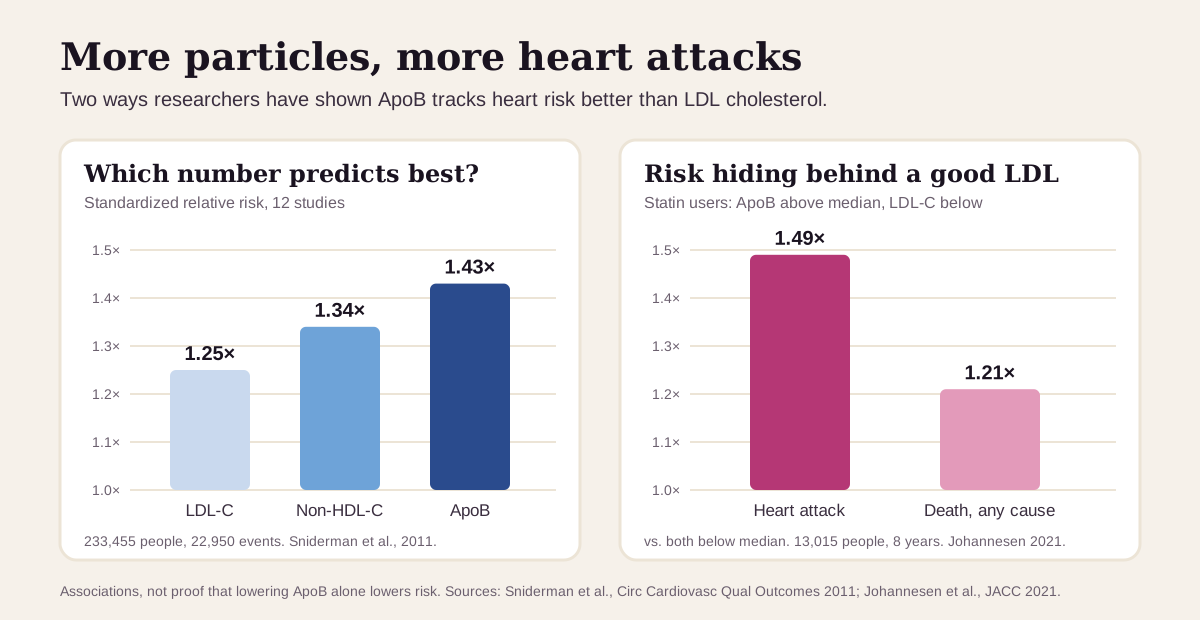
- A meta-analysis of 12 studies covering 233,455 people compared the three standard measures. ApoB carried the highest standardized risk of heart and artery events (1.43), ahead of non-HDL cholesterol (1.34) and LDL cholesterol (1.25).2
- In the UK Biobank, 389,529 people not taking cholesterol medicine were followed for about 11 years. When ApoB, non-HDL cholesterol and triglycerides were weighed together, only ApoB stayed linked to heart attacks: 27% higher risk per standard deviation.11
- Among 13,015 people already on statins in Copenhagen, those whose ApoB sat above the median while their LDL cholesterol sat below it had a 49% higher risk of heart attack than people below the median on both.12
- Genetics points the same way. In 654,783 people, gene variants that lowered ApoB by 10 mg/dL came with about 23% lower odds of coronary heart disease, whether they worked through triglycerides or through LDL cholesterol.13
Keep "optimal" in perspective. The NLA's 60, 70 and 90 are thresholds for considering more treatment, and which one applies depends on your overall heart risk, which your clinician sets.1 Trials have pushed ApoB far lower on purpose: in FOURIER, the median reached 38 mg/dL on a statin plus evolocumab.1
What a high ApoB usually means
A high ApoB means more artery-clogging particles are in circulation. The cause is usually one of a handful of things, and the rest of your lipid panel narrows it down (see neighbors below).
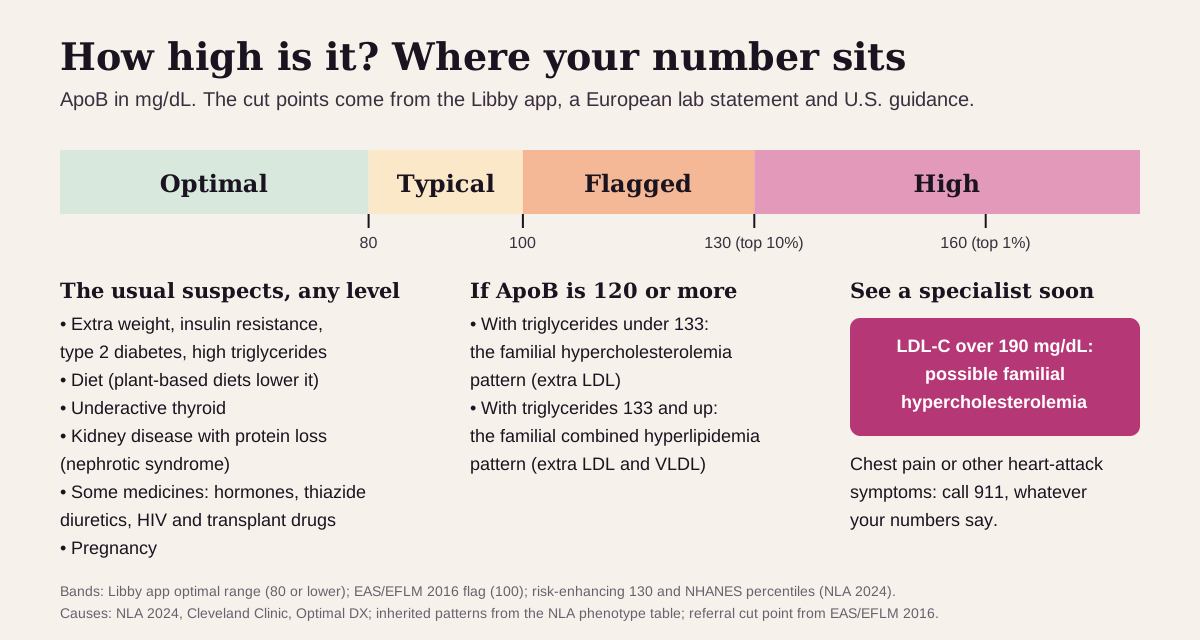
The usual suspects:
- Extra weight, insulin resistance and type 2 diabetes. Insulin resistance pushes the liver to release more VLDL particles.14 Along with high triglycerides, it leaves behind small, cholesterol-poor LDL particles, so LDL cholesterol can look fine while ApoB runs high.1
- Your genes. Inherited conditions such as familial hypercholesterolemia and familial combined hyperlipidemia typically push ApoB to 120 mg/dL or more.1 In familial hypercholesterolemia, a faulty LDL receptor slows the clearance of LDL from the blood.14 If yours is high, your relatives may be worth testing too.1
- Diet. What you eat moves ApoB. In a meta-analysis of randomized trials, vegetarian and vegan diets lowered it by about 13 mg/dL (14%) compared with diets that included meat.15
- An underactive thyroid (hypothyroidism) raises ApoB. Thyroid, kidney and liver disease are all on the NLA's list of reasons to recheck it.101
- Kidney disease with protein loss (nephrotic syndrome).3
- Medicines. Sex hormones, thiazide diuretics, HIV medicines and transplant drugs can all shift your lipids and ApoB.1 Don't stop a prescribed medicine on your own. Bring your full list to your clinician.
- Pregnancy raises ApoB too.3
Very high ApoB: think inherited
An ApoB of 120 mg/dL or more marks the NLA's LDL-driven inherited patterns. With normal triglycerides it points to the familial hypercholesterolemia pattern (extra LDL). With high triglycerides it points to familial combined hyperlipidemia (extra LDL and VLDL). Inherited triglyceride and remnant disorders sit below 120 (see going deeper).1 An LDL cholesterol over 190 mg/dL should prompt a referral to a lipid specialist for possible familial hypercholesterolemia.8
Get care now for heart-attack symptoms, whatever your numbers: chest discomfort that feels like pressure, squeezing or pain; shortness of breath; pain in one or both arms, the back, neck, jaw or upper stomach; or nausea, a cold sweat or lightheadedness. Call 911, even if you're not sure it's a heart attack.5
Is a low ApoB a problem?
On cholesterol treatment, a low ApoB is the goal. Without treatment, a low result can come with an overactive thyroid, liver disease, a serious infection (sepsis), estrogen, weight loss or poor nutrition.310 If none of those fit, mention it to your clinician.
ApoB reads best next to its neighbors
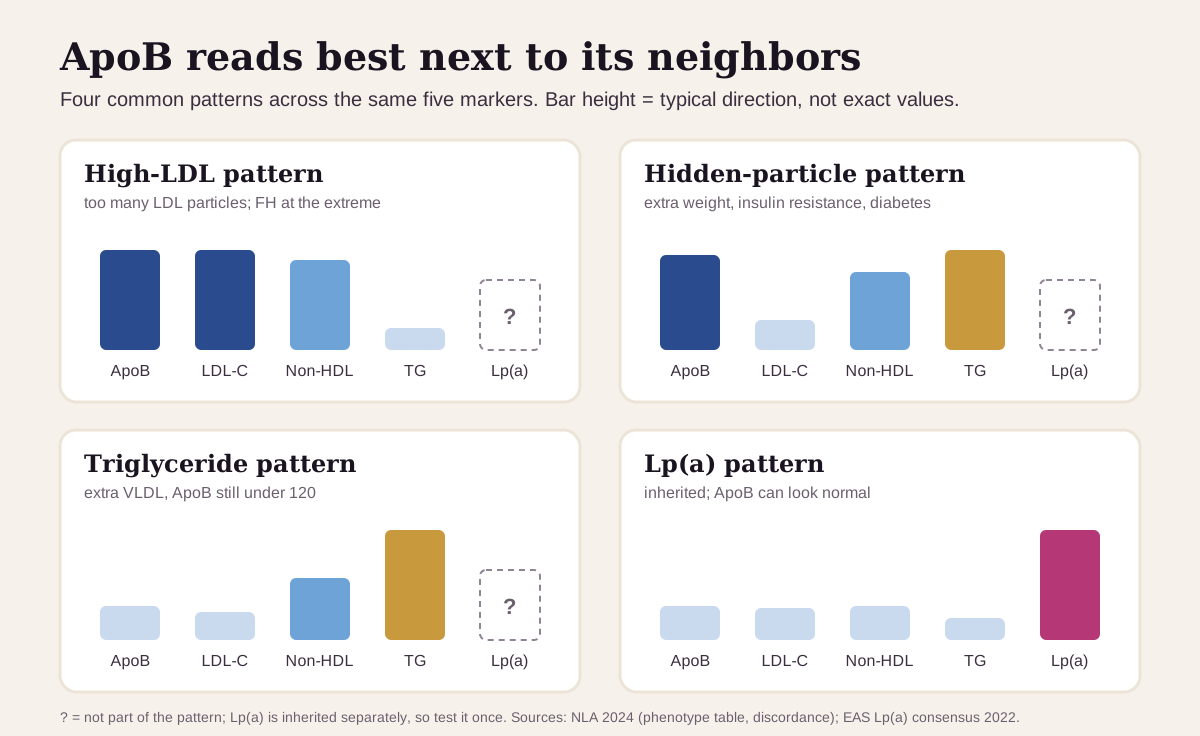
ApoB is most useful read together with the rest of your lipid panel. The pattern across five markers usually says more than ApoB alone:1
| If you see… | It often points to… |
|---|---|
| ApoB and LDL-C both high, triglycerides normal | too many LDL particles; the familial hypercholesterolemia pattern when ApoB is 120 or more |
| ApoB high, LDL-C normal, triglycerides high | many small, cholesterol-poor particles: the pattern of extra weight, insulin resistance and diabetes |
| Triglycerides high, ApoB under 120 | extra triglyceride-rich VLDL; non-HDL-C rises because VLDL cholesterol counts toward it |
| ApoB, LDL-C and triglycerides all high | extra LDL and VLDL: the familial combined hyperlipidemia pattern when ApoB is 120 or more |
| Lp(a) high, the rest unremarkable | an inherited particle that ApoB can miss;1 adults should have Lp(a) measured at least once167 |
Lp(a) carries cholesterol too, and labs count it as part of LDL cholesterol. So a very high Lp(a) can nudge LDL-C up, which is one more reason to measure Lp(a) once.16
On a statin, the gap widens. Treatment lowers LDL cholesterol by a larger share than ApoB, so the two drift apart. In the IMPROVE-IT trial, people on a statin plus ezetimibe reached a median LDL cholesterol of 54 mg/dL but an ApoB of 67.1 The 2026 guideline suggests checking ApoB once LDL goals are met in people with diabetes, high triglycerides, heart disease or cardiovascular-kidney-metabolic syndrome, the groups where ApoB may be the more accurate risk marker.7
How fast ApoB changes
Check again in weeks, not years. The NLA suggests rechecking ApoB 4–12 weeks after starting or changing cholesterol treatment.1 How far it moves depends on the treatment:
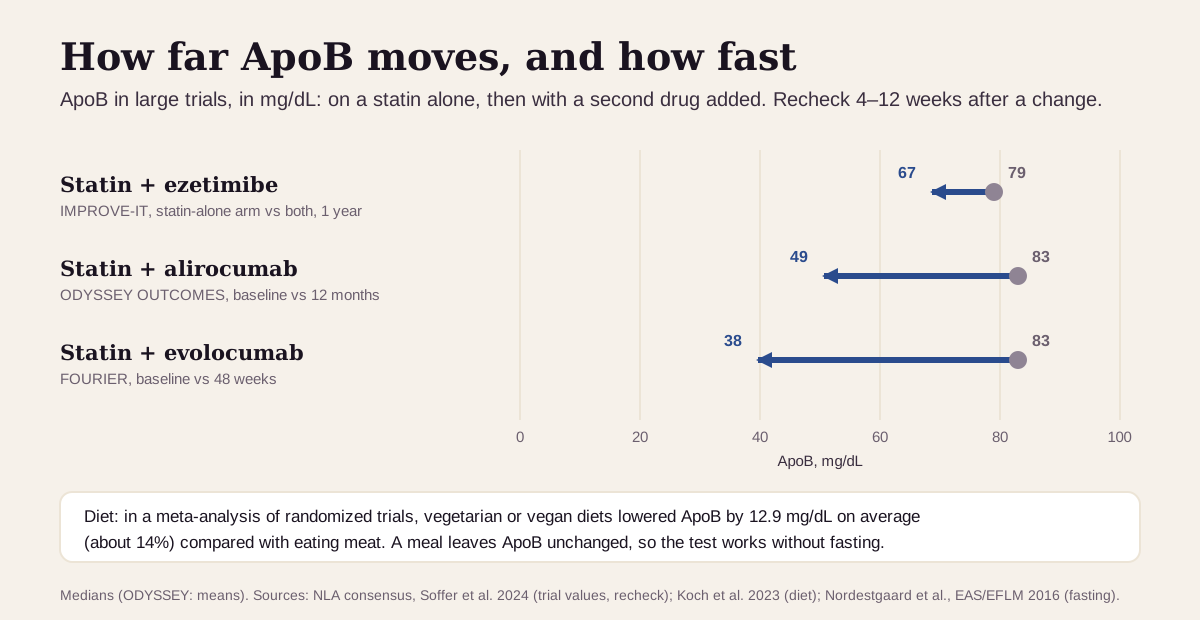
What that means in practice:
- A meal leaves ApoB unchanged, so results from fasting and non-fasting tests can be compared.8
- Note what else changed. A big weight change, a new kidney, liver or thyroid diagnosis, rising blood sugar, or a new medicine can each move ApoB, so mention them when you get tested.1
- Trends beat snapshots. Lab accuracy surveys show ApoB tests typically vary by about 5–6%, so a few mg/dL between two tests may be the lab. A steady fall across several tests after a diet or medicine change is the signal to watch.1
Going deeper: how ApoB sorts lipid disorders
ApoB-100 is a huge protein, more than 4,500 amino acids long. It's the main handle your liver's LDL receptors grab to pull LDL out of the blood. ApoB-48, the gut's shorter version, lacks that handle, so gut remnants are cleared through a different route that relies on another protein, ApoE.1
Paired with triglycerides and total cholesterol, ApoB can sort lipid disorders into the classic types, a job that once needed a research lab:1
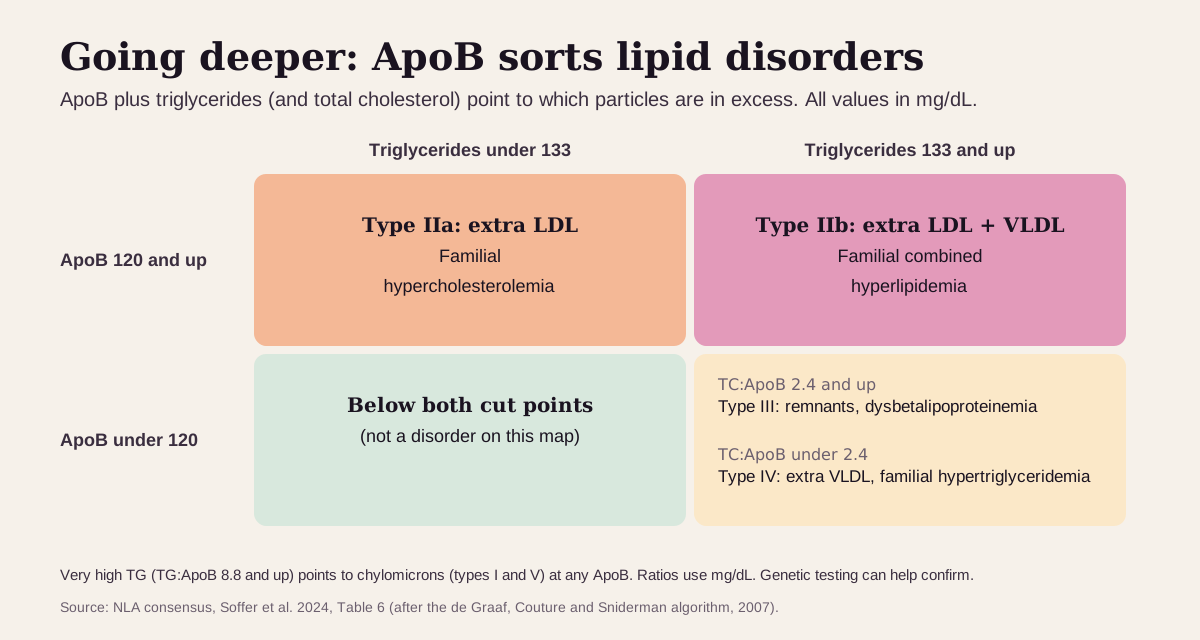
The NLA points to an online version of this algorithm, apob.app. Treat it as a starting point: genetic testing and a clinician's exam confirm an inherited disorder.1
Questions worth asking
- Is my ApoB in line with my LDL cholesterol, or higher than it suggests?
- Which heart-risk group am I in, and what ApoB would you aim for in that group?
- Could my triglycerides, blood sugar or thyroid explain a high ApoB?
- Should I have Lp(a) measured once, if I haven't?
- Could this be inherited, and should my family be tested?
- When should we recheck, and what would change the plan?
FAQ
What is a normal ApoB level? Lab ranges run up to about 117–133 mg/dL, and the typical untreated U.S. adult sits at 90. Lipid specialists use lower thresholds: 90, 70 or 60 mg/dL depending on heart risk.31
Is ApoB better than LDL cholesterol? For predicting heart disease, usually yes. In a meta-analysis of 12 studies, ApoB was the strongest of the three standard measures. It matters most when triglycerides are high or you have diabetes or insulin resistance, because that's when the two most often disagree.21
Do I need to fast for an ApoB test? No. Average ApoB stays the same after an ordinary meal. Follow the lab's instructions if other tests are drawn at the same time.83
Can ApoB be high when LDL cholesterol is normal? Yes. Many small, cholesterol-poor particles can add up to a high particle count with an ordinary LDL cholesterol. It happens most often with high triglycerides, extra weight or insulin resistance.1
This guide is for education. It can't diagnose you or replace care from a clinician who knows your history.
Footnotes
-
Soffer DE, Marston NA, Maki KC, Jacobson TA, et al. Role of apolipoprotein B in the clinical management of cardiovascular risk in adults: An Expert Clinical Consensus from the National Lipid Association. J Clin Lipidol. 2024;18(5):e647–e663. The main source for ApoB biology, the NHANES percentiles (Table 1), the 60/70/90 thresholds (Table 4), when to measure and recheck (Table 5), the phenotype map (Table 6), trial values and assay precision. PMC ↩ ↩2 ↩3 ↩4 ↩5 ↩6 ↩7 ↩8 ↩9 ↩10 ↩11 ↩12 ↩13 ↩14 ↩15 ↩16 ↩17 ↩18 ↩19 ↩20 ↩21 ↩22 ↩23 ↩24 ↩25 ↩26 ↩27 ↩28 ↩29 ↩30 ↩31 ↩32 ↩33 ↩34 ↩35 ↩36 ↩37 ↩38 ↩39 ↩40 ↩41
-
Sniderman AD, Williams K, Contois JH, et al. A meta-analysis of low-density lipoprotein cholesterol, non-high-density lipoprotein cholesterol, and apolipoprotein B as markers of cardiovascular risk. Circ Cardiovasc Qual Outcomes. 2011;4(3):337–345. 12 studies, 233,455 people, 22,950 events. PubMed ↩ ↩2 ↩3 ↩4
-
Cleveland Clinic. Apo B Test. Medically reviewed May 16, 2023. Lab ranges by sex, no fasting for ApoB alone, and conditions that raise or lower it. Cleveland Clinic ↩ ↩2 ↩3 ↩4 ↩5 ↩6 ↩7 ↩8 ↩9 ↩10 ↩11 ↩12 ↩13 ↩14
-
Superpower. Optimal ApoB: Insights for Cardiovascular Health and Longevity. December 4, 2025. States a Superpower optimal range for ApoB of less than 80 mg/dL. A commercial source, listed as what the optimizer community uses. superpower.com ↩ ↩2 ↩3
-
National Library of Medicine. Heart Attack. MedlinePlus. Last updated September 10, 2026. Heart-attack symptoms and when to call 911. MedlinePlus ↩ ↩2 ↩3
-
Ginsberg HN, Packard CJ, Chapman MJ, et al. Triglyceride-rich lipoproteins and their remnants: metabolic insights, role in atherosclerotic cardiovascular disease, and emerging therapeutic strategies. A consensus statement from the European Atherosclerosis Society. Eur Heart J. 2021;42(47):4791–4806. How VLDL is stripped of triglyceride into remnants, IDL and finally LDL. PMC ↩
-
American College of Cardiology. ACC/AHA Issue Updated Guideline for Managing Lipids, Cholesterol. March 13, 2026. Summary of the 2026 ACC/AHA multisociety guideline (Blumenthal RS, Morris PB, Gaudino M, et al. Circulation. 2026;153(17):e1154–e1276): when to measure ApoB, and Lp(a) at least once in adulthood. acc.org · Guideline on PubMed ↩ ↩2 ↩3 ↩4
-
Nordestgaard BG, Langsted A, Mora S, et al. Fasting is not routinely required for determination of a lipid profile: clinical and laboratory implications including flagging at desirable concentration cut-points. A joint consensus statement from the European Atherosclerosis Society and European Federation of Clinical Chemistry and Laboratory Medicine. Eur Heart J. 2016;37(25):1944–1958. ApoB unchanged after meals; flag ApoB of 100 mg/dL or more; refer LDL over 190 mg/dL. PMC ↩ ↩2 ↩3 ↩4 ↩5 ↩6 ↩7 ↩8 ↩9
-
Institute for Functional Medicine. Clinical practice guidelines and Advanced Practice Modules (range as recorded in the Libby app's marker catalog; member-only modules not opened for this article). The Libby app's ApoB optimal range is 80 mg/dL or lower. IFM ↩ ↩2 ↩3
-
Optimal DX. Lipoprotein Biomarkers: Apolipoprotein B (Apo B). ODX Research blog. Lists an ODX range of 52–80 mg/dL, and conditions linked to high ApoB (including hypothyroidism) and low ApoB. A commercial source: a functional-medicine database, listed as what the optimizer community uses. optimaldx.com ↩ ↩2 ↩3 ↩4 ↩5
-
Marston NA, Giugliano RP, Melloni GEM, et al. Association of apolipoprotein B-containing lipoproteins and risk of myocardial infarction in individuals with and without atherosclerosis: distinguishing between particle concentration, type, and content. JAMA Cardiol. 2022;7(3):250–256. UK Biobank plus the FOURIER and IMPROVE-IT trials. PMC ↩
-
Johannesen CDL, Mortensen MB, Langsted A, Nordestgaard BG. Apolipoprotein B and non-HDL cholesterol better reflect residual risk than LDL cholesterol in statin-treated patients. J Am Coll Cardiol. 2021;77(11):1439–1450. Copenhagen General Population Study, 8-year median follow-up. PubMed ↩ ↩2
-
Ference BA, Kastelein JJP, Ray KK, et al. Association of triglyceride-lowering LPL variants and LDL-C-lowering LDLR variants with risk of coronary heart disease. JAMA. 2019;321(4):364–373. Mendelian randomization in 63 studies. PMC ↩
-
Parhofer KG, Barrett PHR. What we have learned about VLDL and LDL metabolism from human kinetics studies. J Lipid Res. 2006;47(8):1620–1630. Insulin resistance drives VLDL-ApoB oversecretion; LDL-receptor defects slow LDL clearance. DOI ↩ ↩2
-
Koch CA, Kjeldsen EW, Frikke-Schmidt R. Vegetarian or vegan diets and blood lipids: a meta-analysis of randomized trials. Eur Heart J. 2023;44(28):2609–2622. ApoB fell 12.92 mg/dL on average, a 14% reduction from baseline. PMC ↩ ↩2
-
Kronenberg F, Mora S, Stroes ESG, et al. Lipoprotein(a) in atherosclerotic cardiovascular disease and aortic stenosis: a European Atherosclerosis Society consensus statement. Eur Heart J. 2022;43(39):3925–3946. Recommends measuring Lp(a) at least once in adults. PMC ↩ ↩2 ↩3
Educational content, not medical advice.Libby is a personal record tool, not a medical service — it doesn't diagnose, treat, or prescribe. Reference ranges vary by lab and by person. Talk to a qualified healthcare professional about your results.
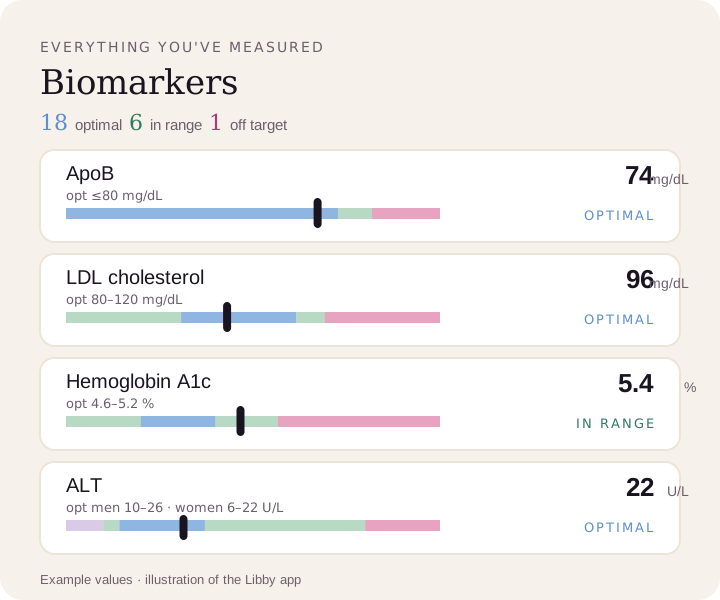
Compare your results to optimal ranges.
Upload a lab PDF or a photo of your report. Libby puts every marker on your lab's range and the optimal range, and tracks your trends over time.
View your ApoB ›