CRP and hs-CRP blood test: normal levels and high causes
CRP is your body's inflammation signal. Here's what a normal CRP and hs-CRP is, the common reasons it runs high, and when a high result needs care.
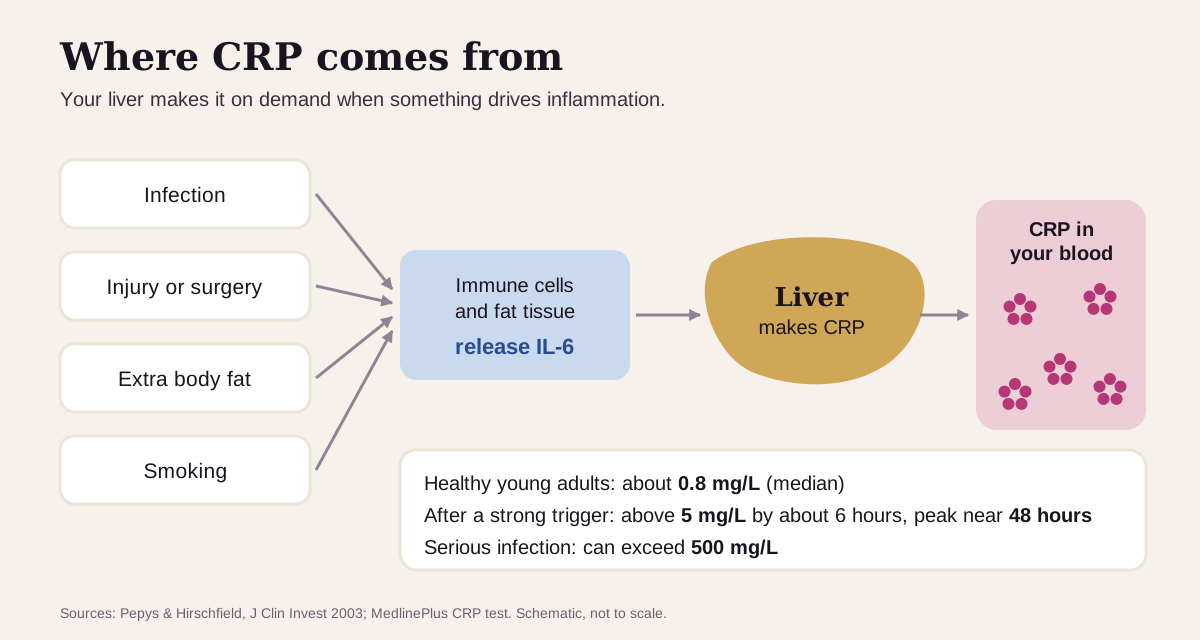
C-reactive protein (CRP) is a protein your liver makes when your body is fighting inflammation, from an infection or an injury to the slow, low-grade kind linked to heart disease. In healthy young adults it sits around 0.8 mg/L. After a major trigger such as a serious infection, it can climb past 500 mg/L, peaking in about two days.1 The hs-CRP (high-sensitivity CRP) test measures the same protein precisely at low levels, which is how doctors use it to gauge heart risk.2
The short version
- Normal: most healthy adults have a CRP under 3 mg/L. Healthy young blood donors sit at about 0.8 mg/L.31
- For heart risk (hs-CRP): the American Heart Association calls under 1 mg/L low risk, 1–3 average and over 3 high.3 The optimal range in the Libby app is 0.7 mg/L or less.4
- Over 10 mg/L means something active: usually an infection, an injury or a flare of an inflammatory disease.13 Over 100 mg/L is most often an infection, and it needs prompt medical care.5
- CRP shows how much inflammation there is. Your symptoms and the tests beside it point to where it comes from.2
What CRP is
CRP is an acute-phase protein, one of the proteins your liver ramps up within hours of an infection, an injury or other tissue damage. Immune cells at the trouble spot send out chemical signals, mainly interleukin-6 (IL-6), and liver cells answer by making CRP.1
CRP is part of your first line of defense. It sticks to a molecule called phosphocholine on bacteria and on damaged or dying cells, and it flags them for the immune system to clear. (More on how it works at the end.)1
CRP and hs-CRP are the same protein. "High-sensitivity" means the test measures very small amounts precisely, down in the range that matters for heart risk. The standard CRP test is built for the higher numbers of infection and inflammatory disease.23
What's a normal CRP?
Start with the range on your report: normal values vary from lab to lab.3 Then look at where healthy people actually sit:
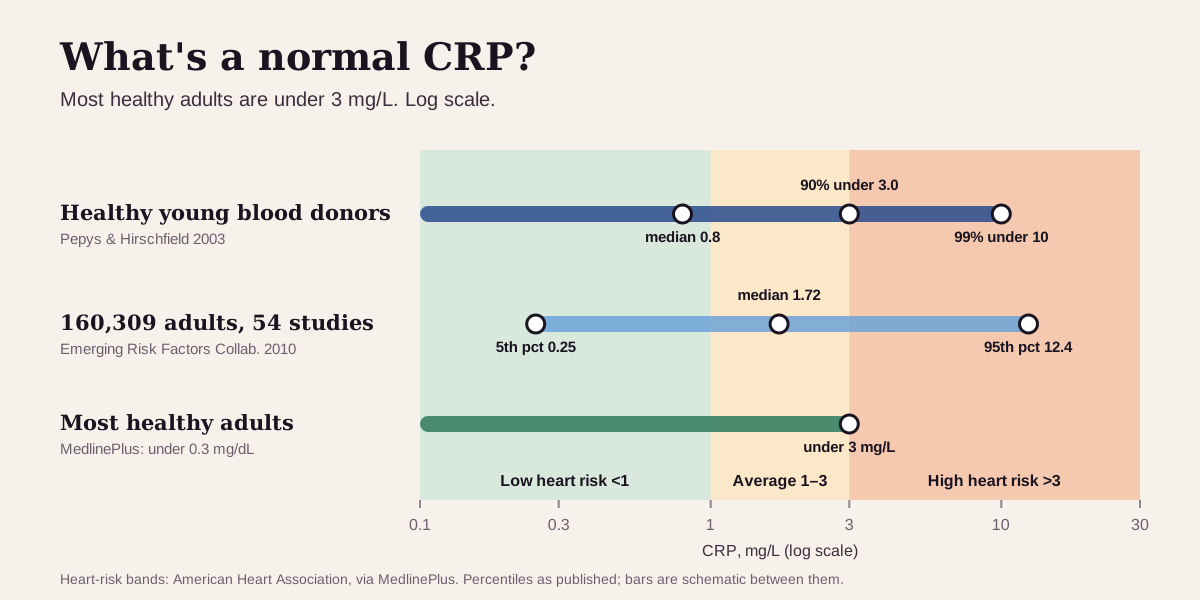
- In healthy young blood donors, the median CRP is 0.8 mg/L. Nine in ten are under 3.0 and 99 in 100 are under 10.1
- The U.S. National Library of Medicine says most healthy adults are under 0.3 mg/dL (3 mg/L).3
- Across 160,309 middle-aged and older adults in 54 studies, the median was 1.72 mg/L.6
CRP drifts up with age and runs a little higher in women. It is also higher with extra body fat, smoking, poor sleep, estrogen taken by mouth, and in the second half of pregnancy.321 Most people hold a fairly steady baseline of their own, with brief spikes during minor infections or injuries.1
"Optimal" CRP: what health optimizers aim for
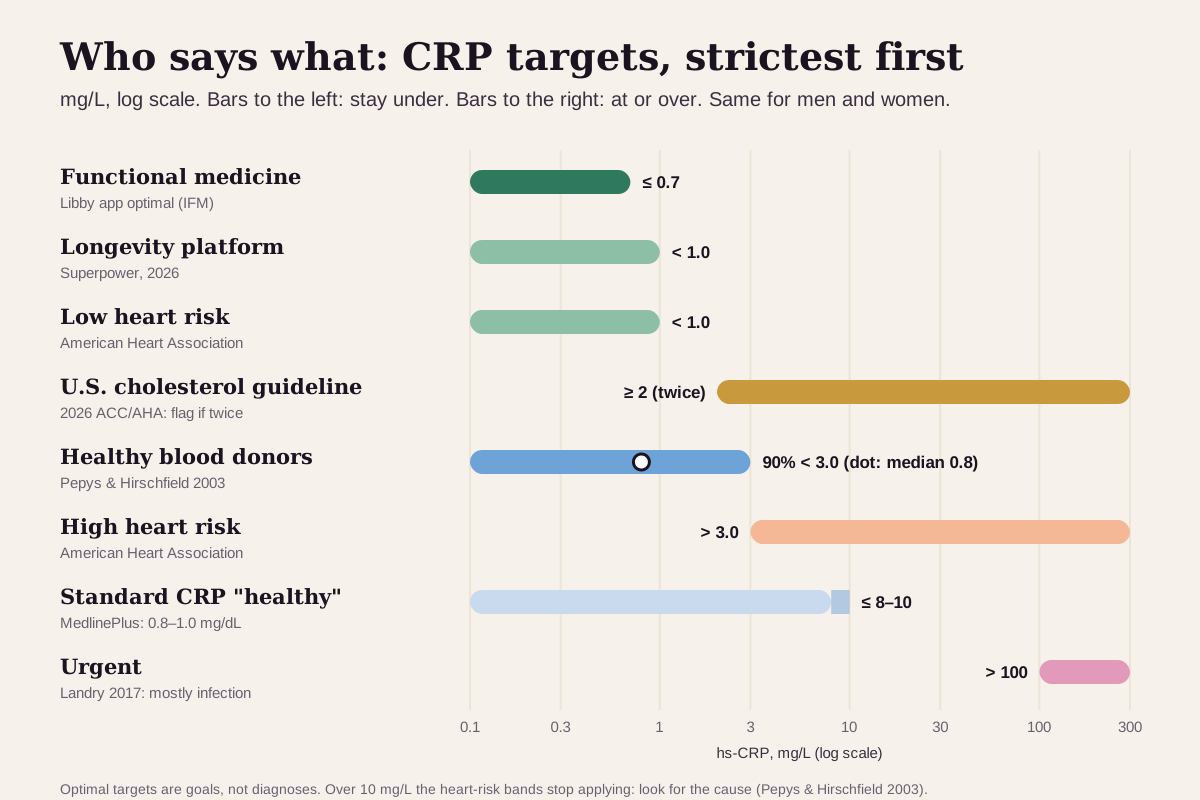
Functional-medicine practitioners and longevity clinics aim for the bottom of the range, and cardiology guidelines use hs-CRP as a heart-risk flag. Here's the full ladder, from strictest to loosest. These sources use one cutoff for men and women.
| Target | hs-CRP | Who uses it |
|---|---|---|
| Functional medicine (strictest) | 0.7 mg/L or less | The optimal range shown in the Libby app, from the Institute for Functional Medicine4 |
| Longevity platform | under 1.0 mg/L | Superpower's published optimal range7 |
| Low heart risk | under 1.0 mg/L | American Heart Association band3 |
| U.S. cholesterol guideline flag | 2 mg/L or more, on two tests | 2026 ACC/AHA guideline, for adults at borderline heart risk8 |
| Research "healthy" limit | 90% under 3.0 mg/L (median 0.8) | Healthy young blood donors1 |
| High heart risk | over 3.0 mg/L | American Heart Association band3 |
| Standard CRP "healthy" | up to 8–10 mg/L (0.8–1.0 mg/dL) | MedlinePlus, for the standard test.2 Persistently over 10, clinicians look for a cause1 |
| Urgent | over 100 mg/L | Usually an infection: two in three were admitted to hospital in one study5 |
The 2026 guideline flag is narrow. It applies to adults without heart disease whose 10-year risk is borderline (3% to under 5%). If their hs-CRP is 2 mg/L or more on two tests in a row, with no other cause found, a high-intensity statin can be useful.8 A 2025 American College of Cardiology scientific statement goes further and recommends checking hs-CRP in everyone, with or without heart disease.9
Why the low targets aren't just a trend:
- In the Emerging Risk Factors Collaboration (160,309 people without heart disease), each three-fold higher CRP went with 1.63 times the risk of coronary heart disease. After accounting for blood pressure, cholesterol, smoking, diabetes and weight, it was 1.37 times. Risk rose smoothly, with no safe threshold.6
- In the JUPITER trial, 17,802 healthy people with normal LDL cholesterol and an hs-CRP of 2 mg/L or more took rosuvastatin or a placebo. The statin lowered hs-CRP by 37% and cut major heart and stroke events by 44% (hazard ratio 0.56).10
- CANTOS lowered inflammation while leaving cholesterol alone. In 10,061 heart-attack survivors with an hs-CRP of 2 or more, an antibody against IL-1β cut repeat heart attacks, strokes and heart deaths by 15% at the 150 mg dose, with more fatal infections.11
- Among 31,245 people already taking statins, those in the top quarter of hs-CRP had 2.68 times the risk of dying of heart disease compared with the bottom quarter. At that point, LDL cholesterol predicted much less (1.27 times).12
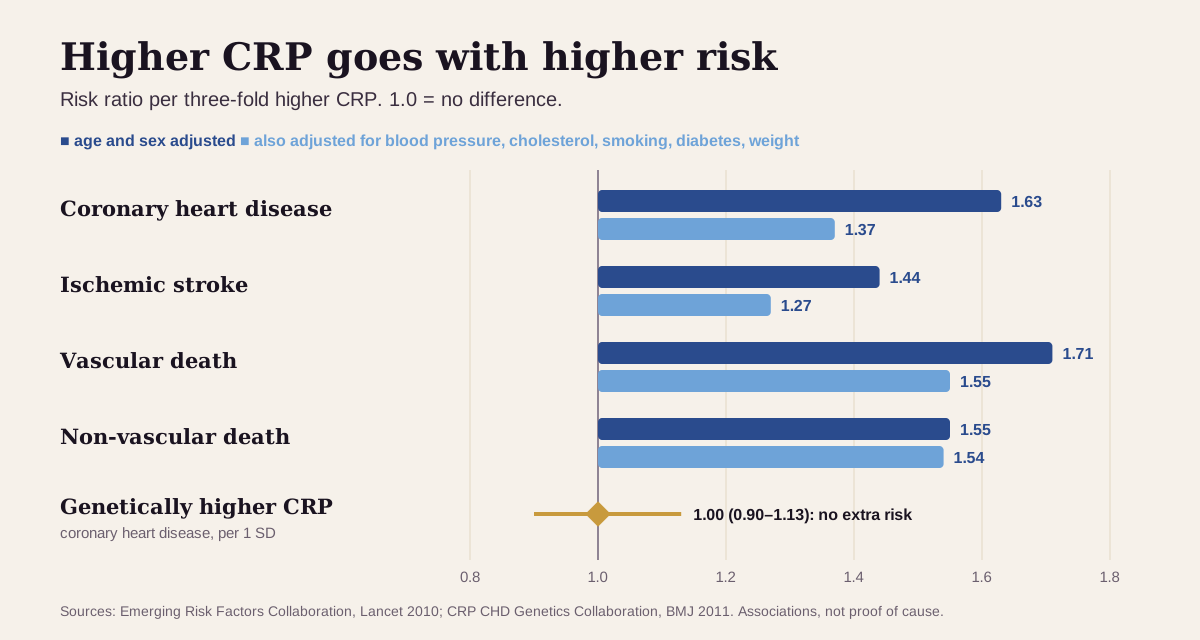
Keep "optimal" in perspective: CRP looks like a messenger of inflammation rather than a cause of heart disease. In genetic data from almost 200,000 people, variants that raise CRP for life left heart risk unchanged (risk ratio 1.00).13 Higher CRP also tracks deaths from cancer, lung disease and other non-heart causes about as strongly (1.54 times per three-fold higher).6 So the target is the inflammation behind the number, from extra weight and smoking to gum disease. And a low number only counts when it's your true baseline, measured while you're well.1
What a high CRP usually means
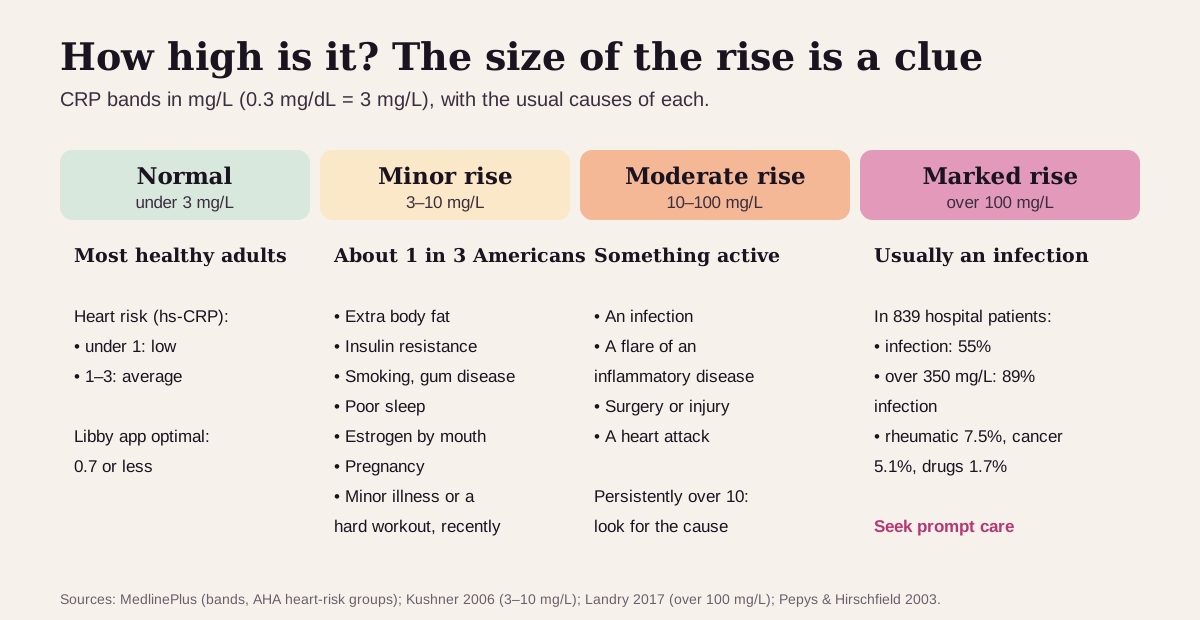
The size of the number is the first clue. The bands below come from the National Library of Medicine and two studies of what drives each level.3145
A minor rise (3–10 mg/L): common and low-grade
About one in three Americans has a CRP between 3 and 10 mg/L.14 The usual suspects:
- Extra body fat, especially around the middle. Fat tissue makes a large share of the body's everyday IL-6, and losing weight lowers CRP.1 An ACC review puts the drop at about 0.13 mg/L per kilogram lost.9
- Insulin resistance, prediabetes and diabetes. A raised CRP travels with the metabolic syndrome and predicts type 2 diabetes.1
- Smoking and gum disease.12
- Poor sleep and depression.2
- Estrogen by mouth. Birth control pills and hormone tablets for menopause raise CRP. Skin-patch estrogen showed no such rise.13
- Pregnancy, in its second half.3
- A recent minor illness or a hard workout. Exercise sets off a short-lived inflammatory response, while regular training lowers CRP over time.15
- Long-running inflammatory conditions such as rheumatoid arthritis, inflammatory bowel disease or asthma.2
A moderate rise (10–100 mg/L): something active
This is the range of an infection, a flare of an inflammatory disease, surgery, an injury or a heart attack.312 A CRP that stays above 10 calls for a full history, an exam and more tests to find the cause.1
A marked rise (over 100 mg/L): usually an infection
A Canadian hospital reviewed two years of results and found 839 people with a CRP over 100 mg/L. Infection caused 55% of them, and 89% of results over 350 mg/L. The rest were rheumatic diseases (7.5%), other inflammatory conditions such as pancreatitis or pericarditis (5.4%), cancer (5.1%) and drug reactions (1.7%). Two in three were admitted to hospital.5
Get care now if a high CRP comes with signs of a serious infection: fever, shivering or feeling very cold, a fast heart rate or fast breathing, shortness of breath, confusion, extreme pain, or clammy, sweaty skin. These can be signs of sepsis, a medical emergency.16
Is a low CRP a problem?
Low is good news for heart risk. Two catches: severe liver failure lowers the liver's CRP output, and lupus often raises CRP only a little even during an active flare.13
CRP reads best next to its neighbors
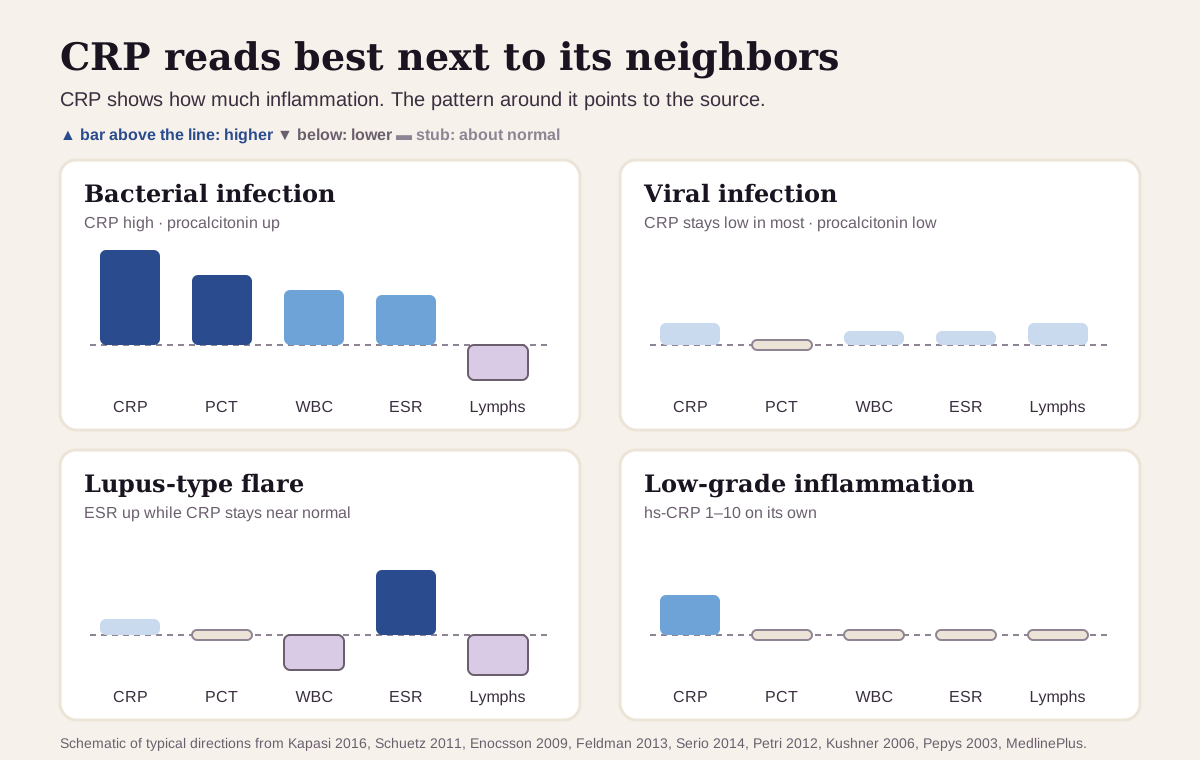
CRP measures the size of the response. The tests beside it point to the source.2
| If you see… | It often points to… |
|---|---|
| CRP well over 10, procalcitonin up, white cells up, lymphocytes down | a bacterial infection. Procalcitonin rises within 6–12 hours of one171823 |
| CRP normal or mildly up, procalcitonin low, white cells normal or mildly up | a viral infection: CRP stays low in most viral infections, and white cells rise less than in a bacterial one19181723 |
| ESR high, CRP normal or barely up, white cells or lymphocytes low | a lupus-type flare. A bacterial infection on top of lupus still raises CRP and procalcitonin2022121 |
| hs-CRP 1–10 on its own, everything else normal | low-grade inflammation: extra weight, smoking, poor sleep, estrogen by mouth14123 |
In one hospital's records, CRP and ESR disagreed in about 1 in 8 people who had both tests. A high CRP with a low ESR more often meant an infection, a heart attack or a blood clot. A high ESR with a low CRP pointed more often to lupus and related diseases.20 White cells run high with infections and low with lupus, and neutrophils mostly fight bacteria while lymphocytes mostly fight viruses.23
How fast CRP changes
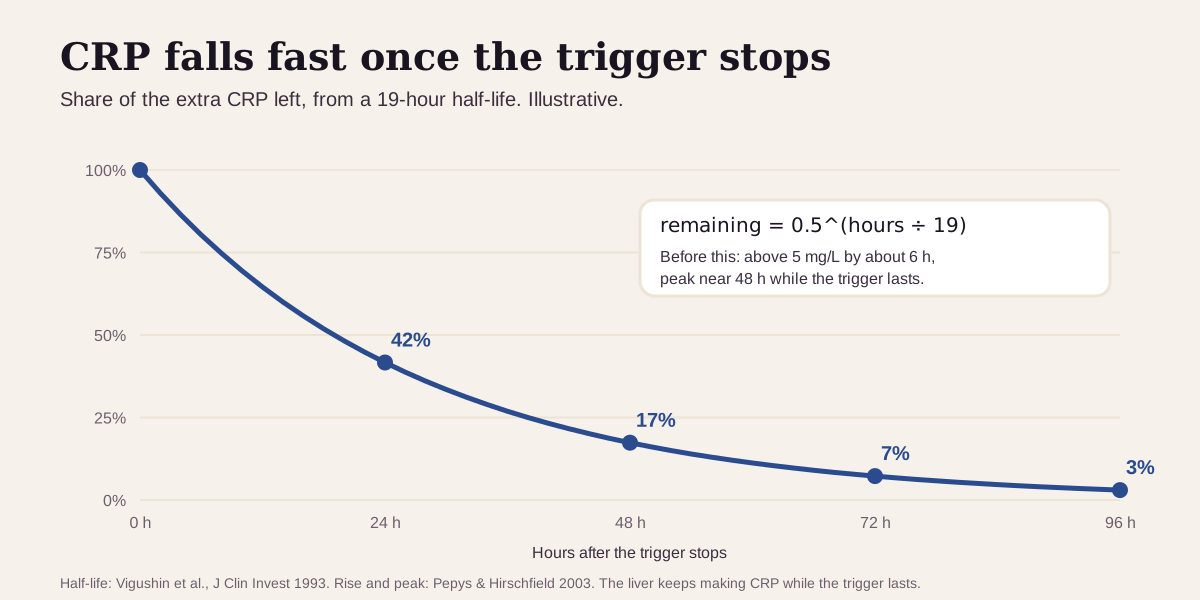
CRP moves fast. It climbs above 5 mg/L within about 6 hours of a trigger and peaks around 48 hours.1 Its half-life is about 19 hours, the same in healthy people and in sick ones, so once the trigger stops, the level falls by more than half each day.241
What that means in practice:
- Repeat a high hs-CRP before it counts for heart risk. Under 1 mg/L, one test is enough. Above that, Pepys and Hirschfield advise two or more tests at least a week apart until a steady baseline shows.1 The 2026 guideline asks for 2 mg/L or more on two tests in a row.8
- Test when you're well. A cold or other minor infection, a hard workout or an injury shortly before the test can raise it.115
- Fasting and time of day barely matter. CRP has no daily rhythm and stays steady after meals.13
- Trends beat snapshots. Your baseline is fairly stable: results measured years apart correlate about as well as cholesterol does.1 A steady drift over several tests is the real signal.
Going deeper: the protein itself
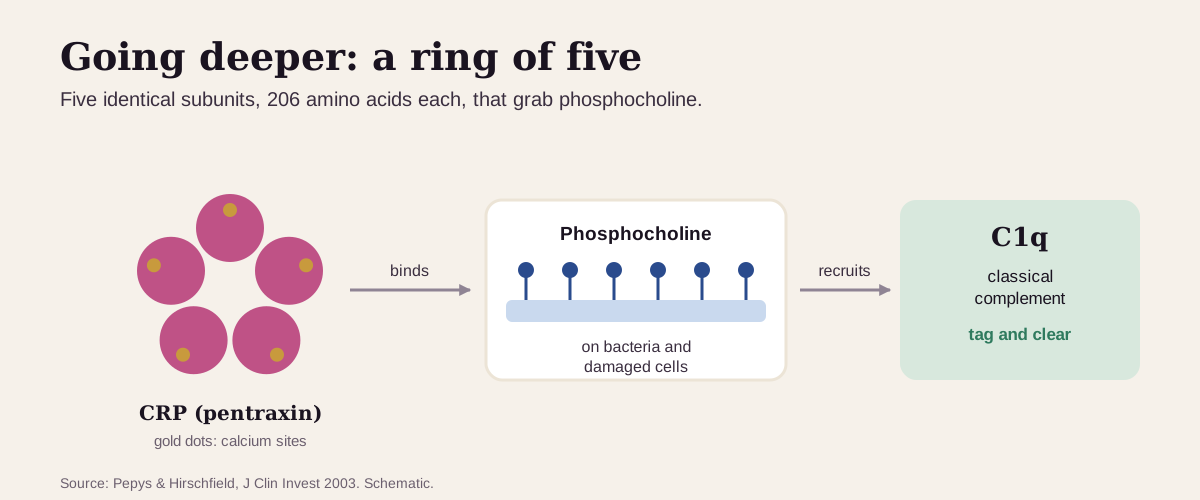
CRP is a pentraxin: five identical subunits of 206 amino acids each, arranged in a flat ring. Each subunit has a calcium-dependent pocket that grabs phosphocholine, which sits on bacterial surfaces and on damaged cell membranes. Once bound, CRP recruits a protein called C1q and switches on the classical complement pathway, the immune system's tag-and-clear machinery.1
Why the level tracks the fire so closely: the liver makes CRP from scratch on demand, and the body clears it at a constant rate in health and disease. So the blood level is set almost entirely by how fast the liver is making it.241
Why lupus is the exception: interferon-alpha, a signal that runs high in lupus flares and viral infections, blocks the liver's CRP switch. In lab studies it cut CRP gene activity by up to 56%.19
Questions worth asking
- Was this a standard CRP or an hs-CRP, and in which unit?
- Was I sick, injured or training hard in the days before the test?
- Should we repeat it when I'm well, to find my baseline?
- If it's 2 mg/L or more twice, how does that change my heart-risk estimate?
- What would lower mine most: weight, smoking, sleep or gum health?
- If it's over 10, what else should we check (white count, ESR, procalcitonin) to find the source?
FAQ
What is a normal CRP level? Most healthy adults are under 3 mg/L (0.3 mg/dL). For heart risk, an hs-CRP under 1 mg/L is low, 1–3 average and over 3 high.3
What's the difference between CRP and hs-CRP? They measure the same protein. The hs-CRP test is precise at very low levels and is used to estimate heart risk. The standard test covers the higher numbers of infection and inflammation.2
What is the most common cause of a very high CRP? Infection. In one hospital study, infection explained 55% of results over 100 mg/L and 89% of those over 350 mg/L.5
How can I lower my hs-CRP? Losing extra weight, quitting smoking and regular exercise all lower it, and statins do too.1915 Retest when you're well, so a passing cold stays out of the number.
This guide is for education. It can't diagnose you or replace care from a clinician who knows your history.
Footnotes
-
Pepys MB, Hirschfield GM. C-reactive protein: a critical update. J Clin Invest. 2003;111(12):1805–1812. The source for the healthy-donor median (0.8 mg/L, 90th centile 3.0, 99th centile 10), the rise above 5 mg/L by about 6 hours and peak near 48 hours, the constant ~19-hour half-life, liver-only production under IL-6, the retest advice, the weak CRP response in lupus, the pentamer structure and the links with body weight, oral estrogen and smoking. PMC ↩ ↩2 ↩3 ↩4 ↩5 ↩6 ↩7 ↩8 ↩9 ↩10 ↩11 ↩12 ↩13 ↩14 ↩15 ↩16 ↩17 ↩18 ↩19 ↩20 ↩21 ↩22 ↩23 ↩24 ↩25 ↩26 ↩27 ↩28 ↩29 ↩30 ↩31 ↩32
-
National Library of Medicine. C-Reactive Protein (CRP) Test. MedlinePlus. Updated June 11, 2025. Common causes of a high CRP, the 0.8–1.0 mg/dL healthy cutoff for the standard test, and how hs-CRP differs. MedlinePlus ↩ ↩2 ↩3 ↩4 ↩5 ↩6 ↩7 ↩8 ↩9 ↩10 ↩11 ↩12 ↩13
-
National Library of Medicine. C-reactive protein. MedlinePlus Medical Encyclopedia. Reviewed January 28, 2025. Most healthy adults under 0.3 mg/dL; the American Heart Association hs-CRP bands (under 1, 1–3, over 3 mg/L); moderate (1–10 mg/dL) and marked (over 10 mg/dL) rises; pregnancy and birth control pills; a muted rise in lupus. MedlinePlus ↩ ↩2 ↩3 ↩4 ↩5 ↩6 ↩7 ↩8 ↩9 ↩10 ↩11 ↩12 ↩13 ↩14 ↩15 ↩16 ↩17 ↩18 ↩19 ↩20
-
Institute for Functional Medicine. Clinical practice guidelines and Advanced Practice Modules (range as recorded in the Libby app's marker catalog; member-only modules not opened for this article). The Libby app shows an hs-CRP of 0.7 mg/L or less as optimal. https://www.ifm.org ↩ ↩2 ↩3
-
Landry A, Docherty P, Ouellette S, Cartier LJ. Causes and outcomes of markedly elevated C-reactive protein levels. Can Fam Physician. 2017;63(6):e316–e323. 839 patients with CRP over 100 mg/L over two years at one Canadian hospital. PMC ↩ ↩2 ↩3 ↩4 ↩5 ↩6 ↩7
-
Emerging Risk Factors Collaboration; Kaptoge S, Di Angelantonio E, Lowe G, et al. C-reactive protein concentration and risk of coronary heart disease, stroke, and mortality: an individual participant meta-analysis. Lancet. 2010;375(9709):132–140. 160,309 people without vascular disease in 54 prospective studies; risk ratios per three-fold higher CRP. PMC ↩ ↩2 ↩3 ↩4 ↩5
-
Superpower. Longevity Blood Panel Guide. Published March 18, 2026; updated August 31, 2026. States "An hs-CRP below 1.0 mg/L is optimal; above 3.0 reflects chronic inflammation." A commercial source, listed as what the optimizer community uses. superpower.com ↩ ↩2
-
Blumenthal RS, Morris PB, Gaudino M, et al. 2026 ACC/AHA/AACVPR/ABC/ACPM/ADA/AGS/APhA/ASPC/NLA/PCNA Guideline on the Management of Dyslipidemia. Circulation. 2026;153(17):e1154–e1276. The current U.S. cholesterol guideline; its hs-CRP recommendation covers adults without heart disease at borderline 10-year risk (3% to under 5%). PubMed ↩ ↩2 ↩3 ↩4
-
American College of Cardiology. Prioritizing Health | hsCRP: A Promising Risk Assessment Tool. Cardiology Magazine. December 1, 2025. Summarizes the 2025 ACC Scientific Statement on Inflammation and Cardiovascular Disease (Mensah GA et al., J Am Coll Cardiol. 2026;87(11):1381–1404), which recommends universal hs-CRP screening, and the effect of weight loss (about 0.13 mg/L per kg). acc.org ↩ ↩2 ↩3
-
Ridker PM, Danielson E, Fonseca FA, et al. Rosuvastatin to prevent vascular events in men and women with elevated C-reactive protein. N Engl J Med. 2008;359(21):2195–2207. The JUPITER trial. PubMed ↩
-
Ridker PM, Everett BM, Thuren T, et al. Antiinflammatory therapy with canakinumab for atherosclerotic disease. N Engl J Med. 2017;377(12):1119–1131. The CANTOS trial. PubMed ↩
-
Ridker PM, Bhatt DL, Pradhan AD, et al. Inflammation and cholesterol as predictors of cardiovascular events among patients receiving statin therapy: a collaborative analysis of three randomised trials. Lancet. 2023;401(10384):1293–1301. 31,245 statin-treated patients from PROMINENT, REDUCE-IT and STRENGTH. PubMed ↩
-
C Reactive Protein Coronary Heart Disease Genetics Collaboration (CCGC); Wensley F, Gao P, Burgess S, et al. Association between C reactive protein and coronary heart disease: mendelian randomisation analysis based on individual participant data. BMJ. 2011;342:d548. 194,418 participants; risk ratio 1.00 (0.90–1.13) per 1 SD genetically higher CRP. PMC ↩ ↩2
-
Kushner I, Rzewnicki D, Samols D. What does minor elevation of C-reactive protein signify? Am J Med. 2006;119(2):166.e17–28. CRP of 3–10 mg/L is found in about a third of Americans and goes with many conditions that are not obviously inflammatory. PubMed ↩ ↩2 ↩3 ↩4 ↩5
-
Kasapis C, Thompson PD. The effects of physical activity on serum C-reactive protein and inflammatory markers: a systematic review. J Am Coll Cardiol. 2005;45(10):1563–1569. Exercise causes a short-term inflammatory response; regular training has a long-term anti-inflammatory effect. PubMed ↩ ↩2 ↩3
-
National Library of Medicine. Sepsis. MedlinePlus. Updated November 13, 2023. Symptoms of sepsis and why it is a medical emergency. MedlinePlus ↩
-
Kapasi AJ, Dittrich S, González IJ, Rodwell TC. Host biomarkers for distinguishing bacterial from non-bacterial causes of acute febrile illness: a comprehensive review. PLoS One. 2016;11(8):e0160278. White cells, ESR, CRP and procalcitonin run higher, and lymphocytes lower, in bacterial infections. PMC ↩ ↩2 ↩3
-
Schuetz P, Albrich W, Mueller B. Procalcitonin for diagnosis of infection and guide to antibiotic decisions: past, present and future. BMC Med. 2011;9:107. Procalcitonin rises within 6–12 hours of a bacterial infection and is damped in viral infections. PMC ↩ ↩2 ↩3
-
Enocsson H, Sjöwall C, Skogh T, et al. Interferon-alpha mediates suppression of C-reactive protein: explanation for muted C-reactive protein response in lupus flares? Arthritis Rheum. 2009;60(12):3755–3760. CRP stays low in most viral infections and lupus flares; interferon-alpha inhibited CRP gene activity by up to 56%. PubMed ↩ ↩2 ↩3
-
Feldman M, Aziz B, Kang GN, et al. C-reactive protein and erythrocyte sedimentation rate discordance: frequency and causes in adults. Transl Res. 2013;161(1):37–43. 1,731 adults with paired tests; discordance in 12%. PubMed ↩ ↩2 ↩3
-
Serio I, Arnaud L, Mathian A, Hausfater P, Amoura Z. Can procalcitonin be used to distinguish between disease flare and infection in patients with systemic lupus erythematosus: a systematic literature review. Clin Rheumatol. 2014;33(9):1209–1215. Procalcitonin tracks bacterial infection, not lupus activity. PubMed ↩ ↩2
-
Petri M, Orbai AM, Alarcón GS, et al. Derivation and validation of the Systemic Lupus International Collaborating Clinics classification criteria for systemic lupus erythematosus. Arthritis Rheum. 2012;64(8):2677–2686. Low white cells (under 4,000/mm³) or low lymphocytes (under 1,000/mm³) count toward lupus. PMC ↩ ↩2
-
National Library of Medicine. White Blood Count (WBC). MedlinePlus. Updated August 6, 2024. Infections raise the white count; lupus can lower it; neutrophils mostly target bacteria and lymphocytes mostly target viruses. MedlinePlus ↩ ↩2 ↩3 ↩4
-
Vigushin DM, Pepys MB, Hawkins PN. Metabolic and scintigraphic studies of radioiodinated human C-reactive protein in health and disease. J Clin Invest. 1993;91(4):1351–1357. Tracer study in 8 healthy people and 35 patients: a 19-hour half-life, the same in every group. PMC ↩ ↩2 ↩3
Educational content, not medical advice.Libby is a personal record tool, not a medical service — it doesn't diagnose, treat, or prescribe. Reference ranges vary by lab and by person. Talk to a qualified healthcare professional about your results.
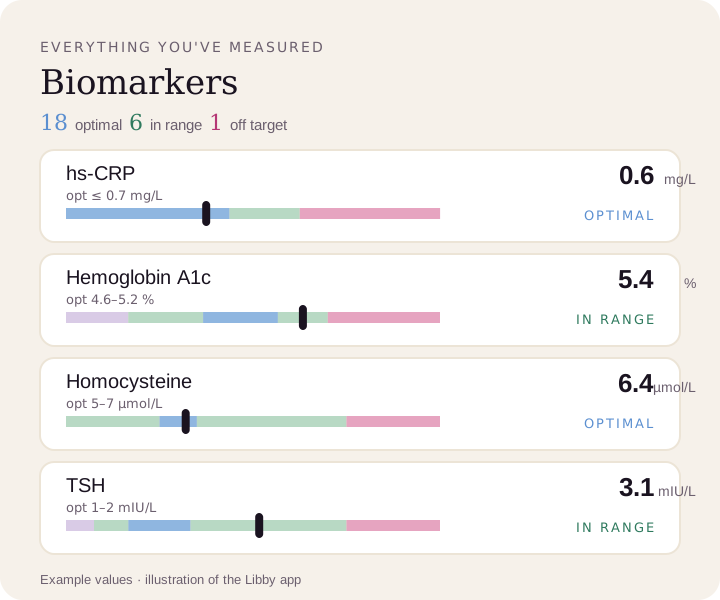
Compare your results to optimal ranges.
Upload a lab PDF or a photo of your report. Libby puts every marker on your lab's range, adds the optimal range where one exists, and tracks your trends over time.
View your hs-CRP ›