White blood cell count: normal range, high and low causes
Your WBC counts the immune cells in your blood. Here's the normal and optimal range, why it runs high or low, how to read the differential, and when to act.
A white blood cell count (WBC) counts the immune cells in a sample of your blood. Your bone marrow makes five kinds of white cells, and the WBC adds them into one number. A high count usually means your body is reacting to something, most often an infection, physical stress or smoking. A low count most often follows a viral illness or a medicine.123
The short version
- Normal: most labs use about 4.5 to 11.0 × 10⁹/L for adults.1 Health optimizers aim tighter: the Libby app's optimal range is 5.0–8.0,4 and in a 44-year study the lowest death rate was at 3.5–6.0.5
- Mildly high (about 11 to 30) is common. The usual reasons are infection (especially bacterial), physical or emotional stress, hard exercise, smoking, steroid medicines and chronic inflammation. Over 100 is almost always a leukemia or related marrow disorder and needs prompt care.2
- Low usually follows a recent viral infection or a medicine, or reflects an inherited pattern called Duffy-null. The number that matters is the neutrophil count (ANC): under 0.5 is severe, and with a fever it needs prompt care.3
- The total is a sum of five cell types. The differential shows which one moved, and that points to the cause.62
What a white blood cell count is
White blood cells, also called leukocytes, are your immune system's mobile force. Your bone marrow makes them, and they travel through the blood to wherever you're injured or sick.6 The five types do different jobs:
- Neutrophils, the most common type, are your main defense when bacteria and other germs get in.
- Lymphocytes include B cells, which fight invading germs, and T cells, which destroy virus-infected and cancer cells.
- Monocytes kill germs and clear away dead cells.
- Eosinophils fight parasites and take part in allergies.
- Basophils release chemicals during allergic reactions and asthma attacks.6
The WBC is part of the complete blood count (CBC). The differential, often printed right below it, splits the total into these five types, as absolute counts, percentages or both.16
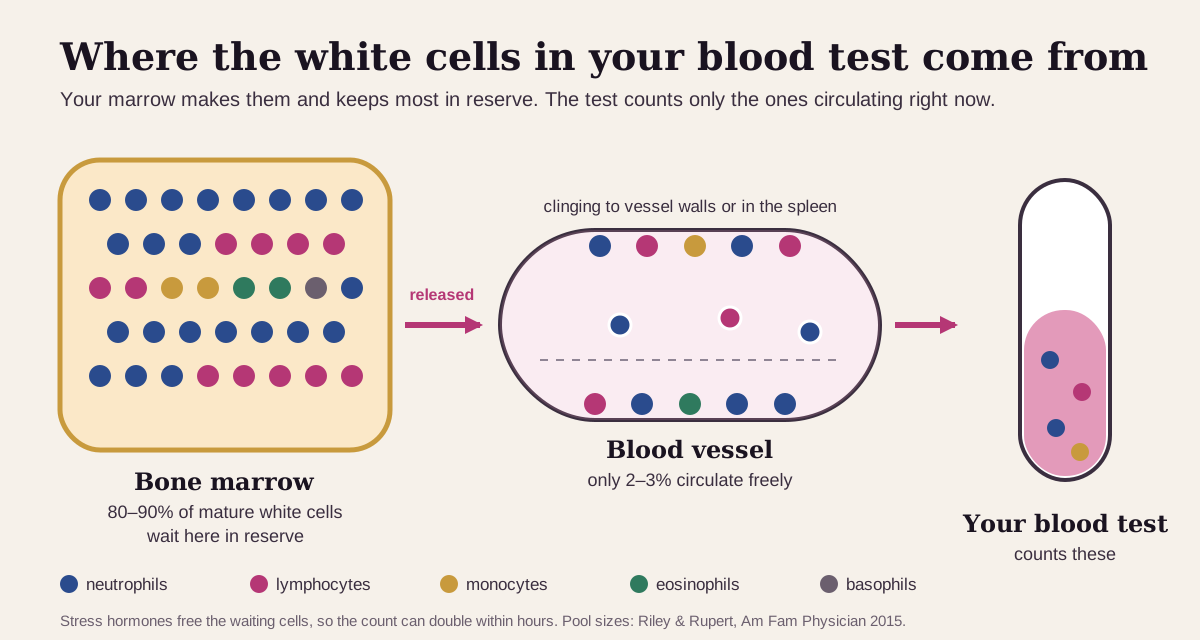
The blood in your tube holds only a small share of your white cells. About 80–90% of mature white cells wait in the bone marrow, and only 2–3% circulate freely. The rest cling to blood-vessel walls or sit in the spleen.2 That reserve is why the count can double within hours. (More at the end.)
What's a normal WBC?
Start with the range printed on your own report. MedlinePlus lists 4,500 to 11,000 cells per microliter (4.5–11.0 × 10⁹/L) as normal for adults, and notes that ranges vary a little between labs.1 Adults reach that range at about age 21.2
What counts as normal depends on who you are:
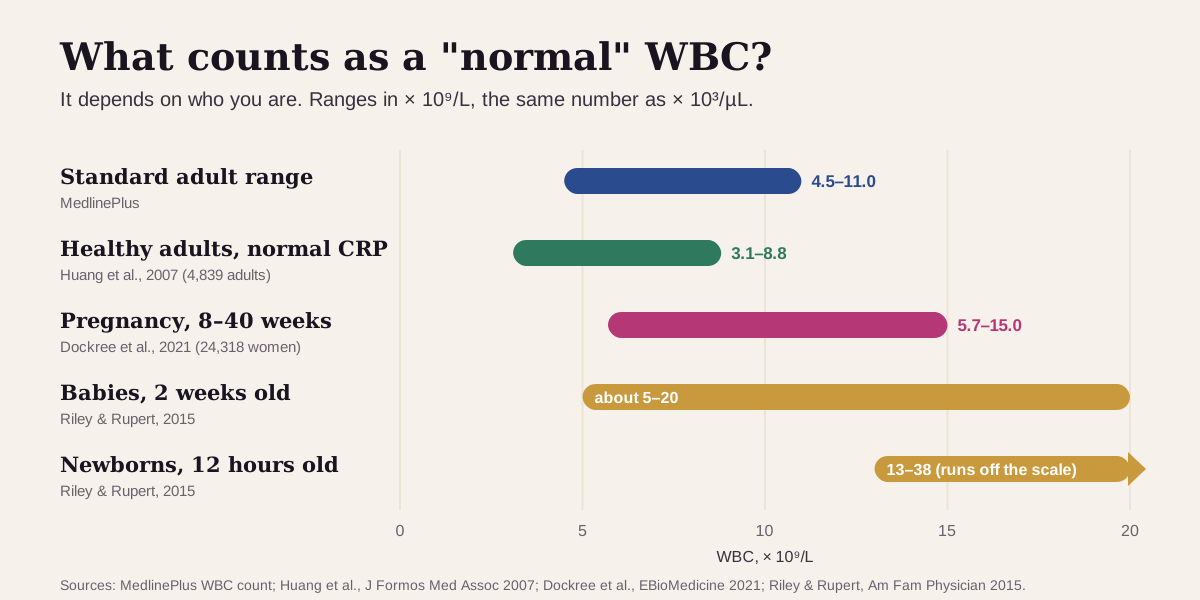
- Healthy adults with no inflammation run lower. A Taiwanese study of 4,839 adults with a normal CRP, a blood marker of inflammation, put their range at 3.1–8.8.7
- Pregnancy raises it. In 24,318 pregnant women in Oxford, the range from 8 to 40 weeks was 5.7–15.0, driven mostly by neutrophils.8
- Babies run much higher: 13–38 at 12 hours of life and about 5–20 at two weeks.2
MedlinePlus and the family-medicine review both give one adult range for men and women. Pregnancy is the big exception.12
"Optimal" WBC: what health optimizers aim for
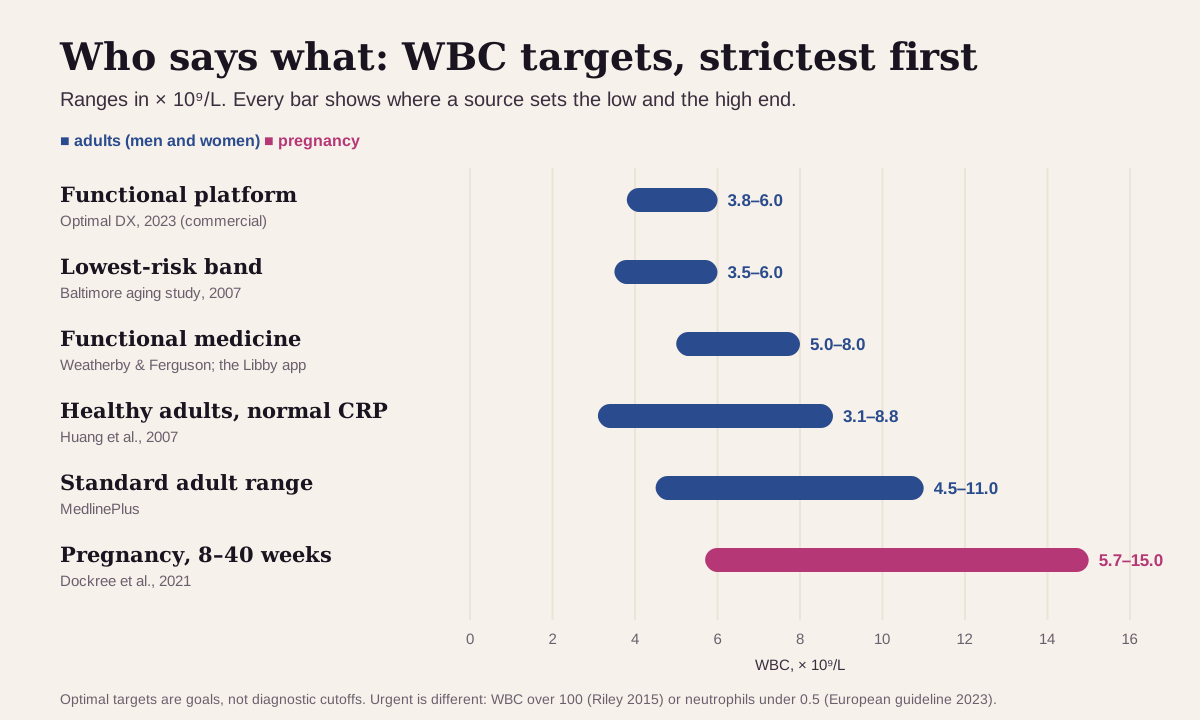
Functional-medicine practitioners and longevity researchers aim well below a lab's upper limit of 11. Here's the full ladder, from strictest to loosest:
| Target | Range (× 10⁹/L) | Who uses it |
|---|---|---|
| Strictest (functional platform) | 3.8–6.0 | Optimal DX's published range9 |
| Lowest-risk band in research | 3.5–6.0 | The lowest death rate in the Baltimore Longitudinal Study of Aging5 |
| Functional medicine | 5.0–8.0 | The standard functional-medicine textbook range,4 and the optimal range shown in the Libby app |
| Research "healthy" range | 3.1–8.8 | Adults with a normal CRP, Huang et al.7 |
| Standard adult range | 4.5–11.0 | MedlinePlus and most labs1 |
| Pregnancy, 8–40 weeks | 5.7–15.0 | Dockree et al., 24,318 women8 |
| Urgent | WBC over 100, or neutrophils under 0.5 | Over 100 is almost always leukemia;2 neutrophils under 0.5 is severe neutropenia3 |
None of these sources sets separate adult numbers for men and women.
Why the low targets exist:
- In the Baltimore Longitudinal Study of Aging, 1,720 men and 1,083 women were followed from 1958 to 2002. The lowest death rate was at a WBC of 3.5–6.0. People at 6.0–10.0, a "normal" count, had 1.33 times the risk of dying, and people above 10.0 had 2.12 times, after adjusting for age, smoking, weight, blood pressure, cholesterol and diabetes. Above 3.5, risk rose about 11% for every extra 1.0.5
- In the Women's Health Initiative, 72,242 women aged 50–79 were followed for about 6 years. Women with a WBC of 6.7 or higher had 2.36 times the risk of dying of heart disease, and a 50% higher risk of dying of any cause, than women at 2.5–4.7.10
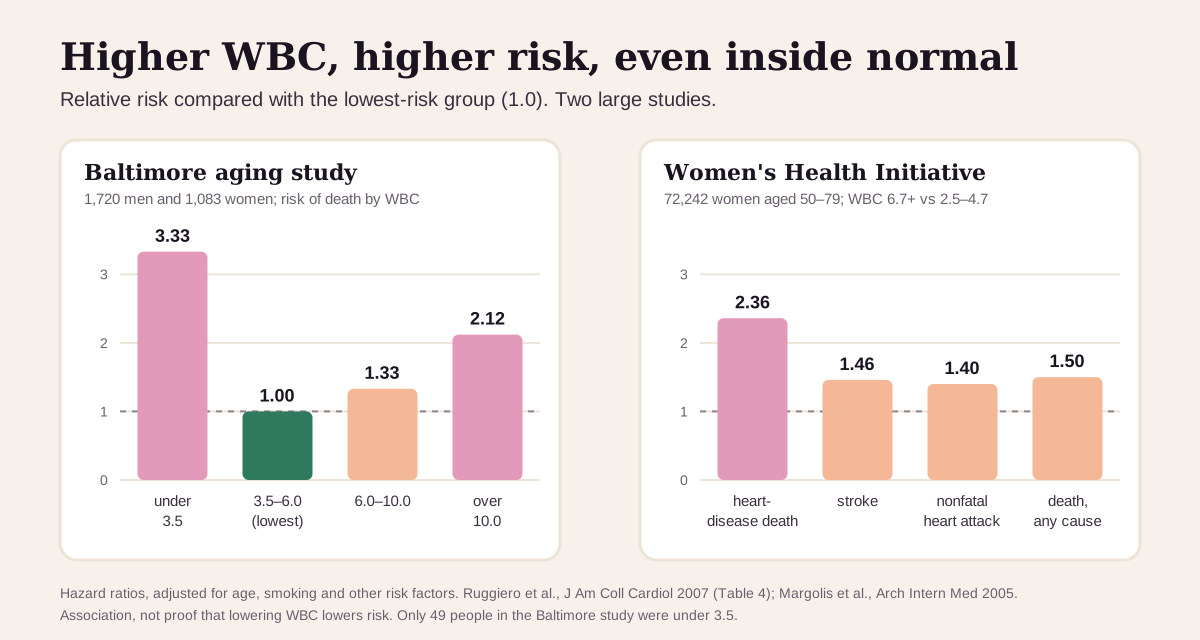
Keep "optimal" in perspective: these are targets, not diagnoses. A high-normal WBC often travels with smoking, extra weight and inactivity. In the Baltimore study, smokers and heavier people ran higher counts, and active people ran lower ones.5 Lower isn't always better, either: people below 3.5 had 3.3 times the death risk, though only 49 people started the study there.5 The functional range in the app starts at 5.0.4
What a high or low WBC usually means
The size of the change is the first clue, and the cell type is the second.23
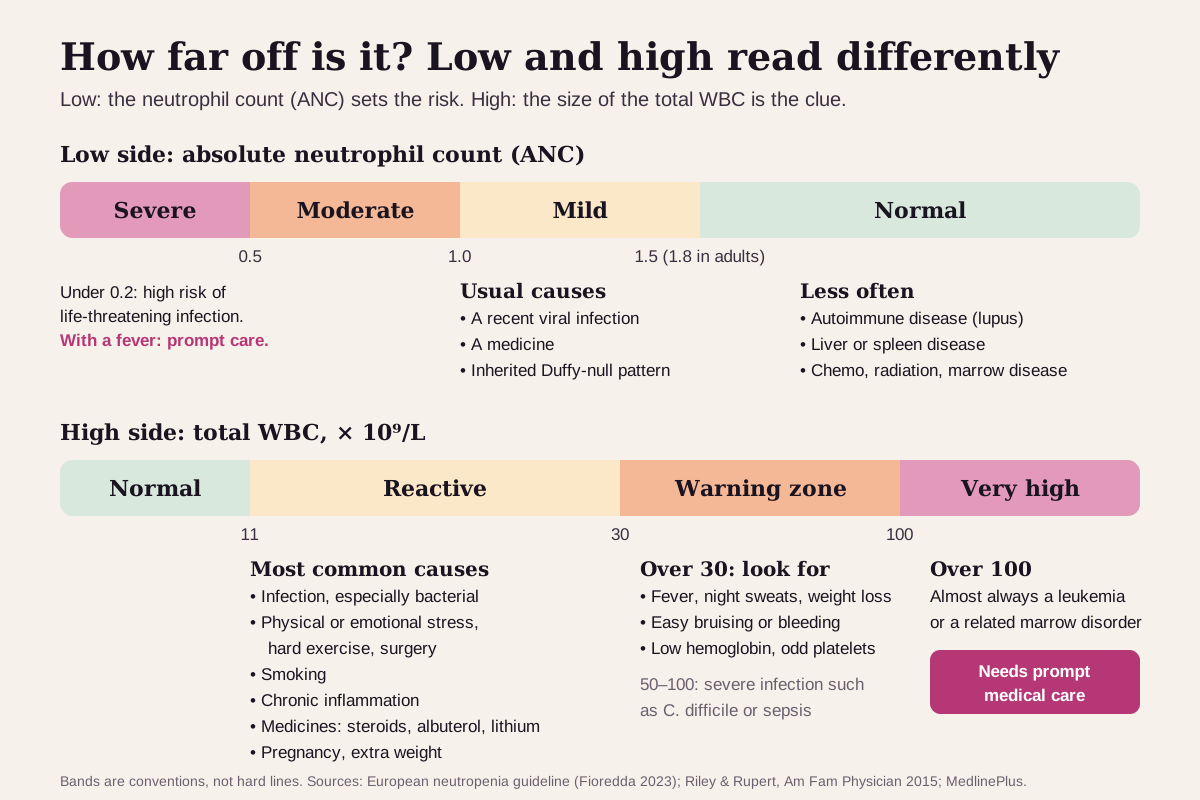
Mildly high (about 11 to 30): common, usually a reaction
Clinicians call a count above 11 leukocytosis. Most of the time it's a reaction to something, typically in the 11–30 range.2 The usual suspects, roughly in order of how often they're the cause:
- Infection. A high WBC is one of the hallmarks of infection, especially bacterial. Neutrophils usually drive the rise.2
- Stress on the body. Surgery, injury, burns, hard exercise and emotional stress release stress hormones that free white cells from vessel walls and the marrow.2 After a hip or knee replacement, WBC rose by an average of 2.8, peaking on day 2.2
- Smoking. In 37,972 Japanese adults, current smoking was the factor most strongly tied to a high WBC, and it raised all five cell types.11
- Chronic inflammation, such as rheumatoid arthritis or inflammatory bowel disease.2
- Medicines. Steroids like prednisone are the classic example. Beta agonists such as albuterol, lithium and epinephrine raise it too.21 In one hospital study, WBC rose an average of 2.4 within 48 hours of starting steroids, and 4.8 on high doses.12
- Pregnancy, extra weight and having no spleen also push it up.2
Very high (over 30): get it checked
A WBC above 30 is one of the signs clinicians use to look for a blood cancer. So are fever, night sweats, weight loss, easy bruising, and a low hemoglobin or abnormal platelets on the same CBC.2 Counts of 50–100, called a "leukemoid reaction", can come from severe infections such as C. difficile or sepsis. Above 100, the cause is almost always a leukemia or a related marrow disorder.2
Chronic leukemias are most often found by chance, on a routine CBC in someone who feels fine.2 That's why a count that stays high is worth a workup.
Low (under 4.5): look at the neutrophils
A count below 4.5 is called leukopenia.1 What matters most is the absolute neutrophil count (ANC), because neutrophils are your main defense against bacteria.6 The European neutropenia guideline grades a low ANC as mild (1.0–1.5, or up to 1.8 in adults), moderate (0.5–1.0) and severe (under 0.5). Below 0.2, the risk of a life-threatening infection is high.3
The usual suspects are the three the European guideline checks first:3
- A recent viral infection. Flu, mono (EBV), hepatitis B or C, COVID-19 and other viruses can lower neutrophils.31
- A medicine. Some antibiotics, seizure medicines, thyroid medicines and the antipsychotic clozapine can lower it. So do chemotherapy and radiation.13 Don't stop a prescribed medicine on your own. Bring your full list to your clinician.
- An inherited pattern (Duffy-null). A common gene variant lowers the neutrophil count in the blood without raising infection risk. It's most common in people with African or Middle Eastern ancestry.3 More below.
- Less common causes: lupus and other autoimmune diseases, liver or spleen disease, very severe bacterial infections, and bone-marrow problems.1
Get prompt care if a low neutrophil count comes with a fever or other signs of infection.3 Also get prompt care for a WBC over 30 with fever, night sweats, weight loss or easy bruising, a WBC over 100, or a high or low WBC together with low hemoglobin or abnormal platelets.23
WBC reads best next to its neighbors
The total is a sum. The differential shows which cell type moved, and each type points somewhere different:2
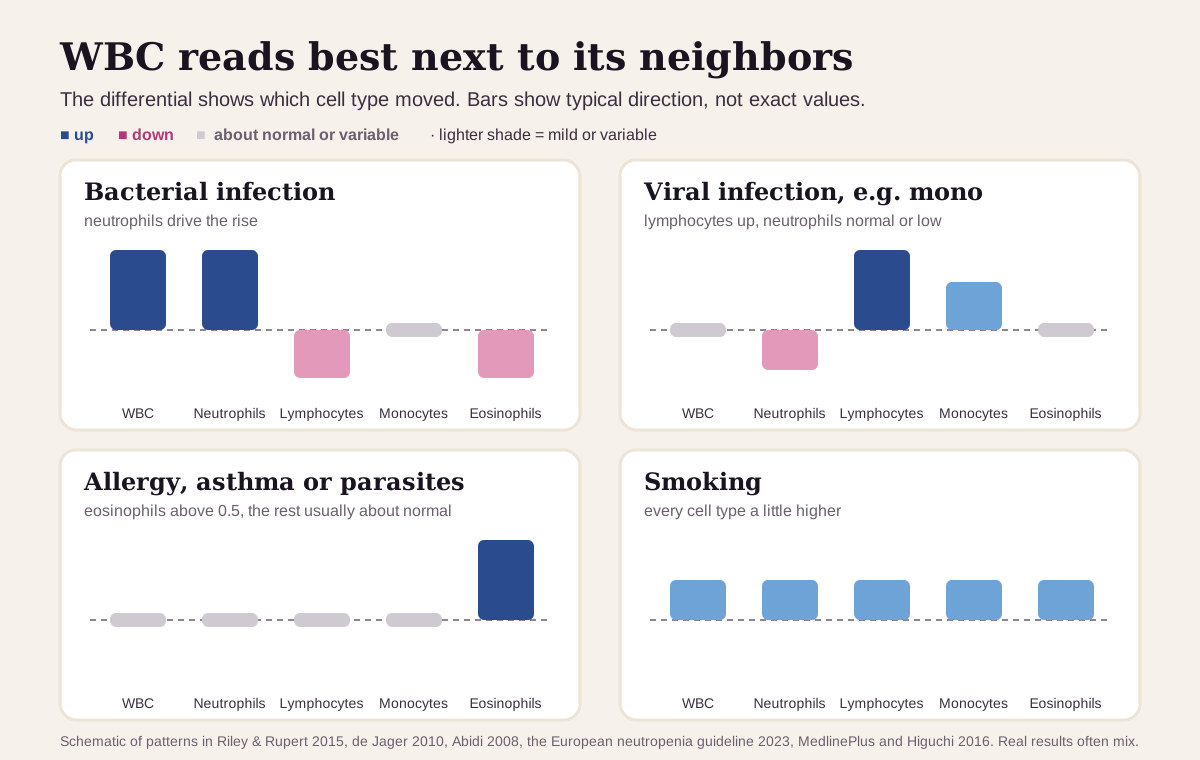
| If you see… | It often points to… |
|---|---|
| WBC and neutrophils up, lymphocytes and eosinophils low | a bacterial infection: in one emergency-room study, people with bacteria in their blood had lymphocytes of 0.8 vs 1.2 in similar patients whose blood cultures were negative21314 |
| Lymphocytes up, neutrophils normal or low | a viral infection; mono (EBV) can raise monocytes too23 |
| Eosinophils above 0.5, the rest usually about normal | allergy, asthma, eczema, a drug reaction or parasites2 |
| Every cell type a little high | smoking, which raises all five; WBC and neutrophil counts fall within a year of quitting11 |
| Neutrophils up, lymphocytes and monocytes down, after a steroid dose | the medicine: steroids raise neutrophils and move lymphocytes and monocytes out of the blood for about a day152 |
| WBC high or low along with low hemoglobin or abnormal platelets | a possible bone-marrow problem, which needs prompt evaluation23 |
Eosinophils make up only 1–4% of white cells, so a modest eosinophil rise can leave the total normal.2 That's a pattern only the differential shows.
How fast WBC changes
White cells move on several clocks. With so many cells waiting in the marrow and along vessel walls, the count can jump within hours, then settle over days.2
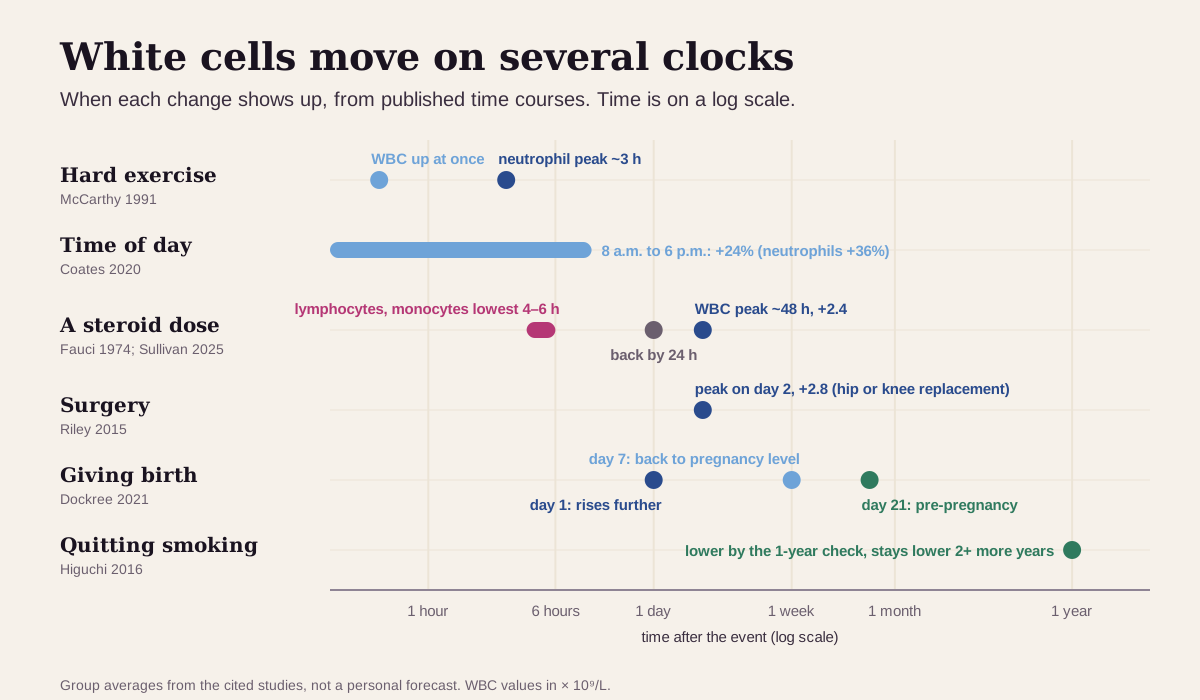
- Hours: exercise. Thirty minutes of sport raised WBC at once. That rise faded fast, and a bigger neutrophil rise peaked about 3 hours after the workout began.16
- Within a day: time of day. In 7,157 healthy volunteers, the average WBC was 24% higher at 6 p.m. than at 8 a.m., mostly from neutrophils, which rose 36%.17
- About two days: steroids and surgery. The steroid rise peaks around 48 hours,12 and the rise after joint replacement peaked on day 2.2
- Weeks: after giving birth. WBC rises further on the first day after delivery, returns to the pregnancy level by about day 7 and to the pre-pregnancy level by day 21.8
- A year: quitting smoking. WBC and neutrophils fell within one year of quitting and stayed lower for more than two more years.11
What that means in practice:
- A single high result is usually repeated. Clinicians start with a repeat CBC and a look at the blood under a microscope (a smear).2 A repeat at a similar time of day, away from a hard workout, compares like with like.1716 Mention recent illness, new medicines, steroids and smoking.
- How long it lasts is a clue. A high count lasting hours to days points to infection or stress. One lasting weeks to months points to chronic inflammation or some cancers.2
- Trends beat snapshots. In the Baltimore study, WBC crept up for several years before death in people who died, and stayed flat in those who survived.5
Going deeper: where white cells wait
Your marrow keeps a large reserve. About 80–90% of mature white cells stay in storage there, and only 2–3% circulate freely. The rest cling to vessel walls (clinicians call them "marginated") or wait in the spleen. Once released, a white cell lives two to 16 days, depending on its type.2 Stress hormones pull cells off the vessel walls and out of the marrow, which is how the count can double within hours.2 Steroids push lymphocytes and monocytes the other way, out of the blood for about a day.15
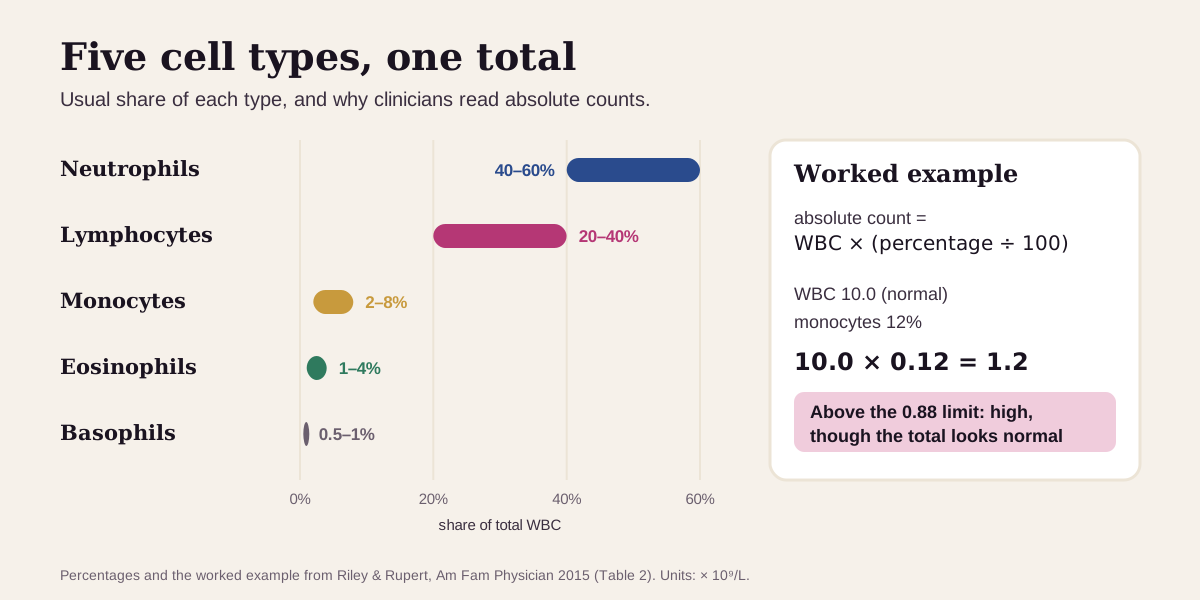
Absolute counts beat percentages. To get the absolute count of any type, multiply the WBC by its percentage:2
Absolute count = WBC × (percentage ÷ 100)
A normal total can hide one type that is too high or too low, which is why clinicians read the absolute counts.2
The Duffy-null pattern. A variant in the ACKR1 gene, also called DARC, removes the Duffy protein from red cells and lowers the neutrophil count in the blood without raising infection risk. The European guideline calls it ACKR1/DARC-associated neutropenia (ADAN) to stress that it's genetic, and notes that these people can have ANCs of 0.5–1.5 that are normal for them. A genetic test can confirm it and save an extensive workup.3 A Boston study of 120 healthy Duffy-null adults found a normal ANC range of 1.21–5.39, compared with the hospital's standard range of 1.92–7.60.18
Questions worth asking
- Which white-cell type is high or low, and what are the absolute counts?
- Is this a one-off, or has it been drifting across my past CBCs?
- Could a recent illness, a hard workout, a steroid or another medicine, or smoking explain it?
- If my neutrophils are low, would a Duffy-null test help?
- Are my hemoglobin and platelets normal, and do I need a blood smear?
- When should we repeat it, and at what time of day?
FAQ
What is a normal white blood cell count? Most labs use about 4.5–11.0 × 10⁹/L for adults. Health optimizers aim tighter: the Libby app's optimal range is 5.0–8.0.14
What is the most common cause of a high WBC? Infection, especially bacterial, is the most common. Physical or emotional stress, hard exercise, smoking, steroid medicines and chronic inflammation are the other usual causes.2
Can stress or exercise raise my WBC? Yes. Stress hormones free white cells from vessel walls within hours. After 30 minutes of exercise, neutrophils peaked about 3 hours after it began.216
When is a WBC result an emergency? A WBC over 100, a low neutrophil count with a fever, or a high count with fever, night sweats, weight loss or bruising needs prompt care.23
This guide is for education. It can't diagnose you or replace care from a clinician who knows your history.
Footnotes
-
National Library of Medicine. WBC count. MedlinePlus Medical Encyclopedia. Reviewed February 3, 2025. The adult range (4.5–11.0 × 10⁹/L) and common causes of high and low counts, including medicines. MedlinePlus ↩ ↩2 ↩3 ↩4 ↩5 ↩6 ↩7 ↩8 ↩9 ↩10 ↩11 ↩12 ↩13 ↩14 ↩15 ↩16 ↩17
-
Riley LK, Rupert J. Evaluation of Patients with Leukocytosis. Am Fam Physician. 2015;92(11):1004–1011. The family-medicine review behind the cause order, the 11–30 reactive range, the 50–100 and over-100 cut points, the red flags, the marrow pools and the absolute-count formula. AAFP · PubMed ↩ ↩2 ↩3 ↩4 ↩5 ↩6 ↩7 ↩8 ↩9 ↩10 ↩11 ↩12 ↩13 ↩14 ↩15 ↩16 ↩17 ↩18 ↩19 ↩20 ↩21 ↩22 ↩23 ↩24 ↩25 ↩26 ↩27 ↩28 ↩29 ↩30 ↩31 ↩32 ↩33 ↩34 ↩35 ↩36 ↩37 ↩38 ↩39 ↩40 ↩41 ↩42 ↩43 ↩44
-
Fioredda F, Skokowa J, Tamary H, et al. The European Guidelines on Diagnosis and Management of Neutropenia in Adults and Children: A Consensus Between the European Hematology Association and the EuNet-INNOCHRON COST Action. HemaSphere. 2023;7(4):e872. The neutropenia grades, the viral and drug causes, and the Duffy-null (ADAN) pattern. PMC ↩ ↩2 ↩3 ↩4 ↩5 ↩6 ↩7 ↩8 ↩9 ↩10 ↩11 ↩12 ↩13 ↩14 ↩15 ↩16 ↩17
-
Weatherby D, Ferguson S. Blood Chemistry and CBC Analysis: Clinical Laboratory Testing from a Functional Perspective. 2nd ed. Bear Mountain Publishing; 2004. ISBN 978-0976136712. Widely used functional-medicine reference, and the source of the 5.0–8.0 optimal range shown in the Libby app. ↩ ↩2 ↩3 ↩4 ↩5
-
Ruggiero C, Metter EJ, Cherubini A, et al. White blood cell count and mortality in the Baltimore Longitudinal Study of Aging. J Am Coll Cardiol. 2007;49(18):1841–1850. 1,720 men and 1,083 women, 1958–2002. Hazard ratios from the fully adjusted longitudinal model (Table 4). PMC ↩ ↩2 ↩3 ↩4 ↩5 ↩6 ↩7 ↩8
-
National Library of Medicine. Blood Differential. MedlinePlus. What each of the five white-cell types does. MedlinePlus ↩ ↩2 ↩3 ↩4 ↩5 ↩6
-
Huang ZS, Lo SC, Tsay W, Hsu KL, Chiang FT. Revision in reference ranges of peripheral total leukocyte count and differential leukocyte percentages based on a normal serum C-reactive protein level. J Formos Med Assoc. 2007;106(8):608–616. 4,839 adults with CRP under 0.1 mg/dL; proposed range 3.11–8.83 × 10⁹/L. PubMed ↩ ↩2 ↩3 ↩4
-
Dockree S, Shine B, Pavord S, Impey L, Vatish M. White blood cells in pregnancy: reference intervals for before and after delivery. EBioMedicine. 2021;74:103715. 24,318 women and 80,637 results in Oxford. PMC ↩ ↩2 ↩3 ↩4 ↩5 ↩6
-
Optimal DX (ODX Research). Thoughts on a Lower Optimal Range for Total WBCs. June 5, 2023. States a revised optimal WBC range of 3.8–6.0 × 10³/µL. A commercial source, listed as what the optimizer community uses. optimaldx.com ↩ ↩2
-
Margolis KL, Manson JE, Greenland P, et al. Leukocyte count as a predictor of cardiovascular events and mortality in postmenopausal women: the Women's Health Initiative Observational Study. Arch Intern Med. 2005;165(5):500–508. 72,242 women followed a mean of 6.1 years. PubMed ↩ ↩2
-
Higuchi T, Omata F, Tsuchihashi K, et al. Current cigarette smoking is a reversible cause of elevated white blood cell count: Cross-sectional and longitudinal studies. Prev Med Rep. 2016;4:417–422. 37,972 adults, plus 1,730 smokers followed over time. PMC ↩ ↩2 ↩3 ↩4 ↩5
-
Sullivan E, Schulte R, Rothberg MB. Elevation in white blood cell count after corticosteroid use in noninfected hospitalized patients. J Hosp Med. 2025;20(8):824–828. 28,425 patients, 1,608 on steroids; mean rise 2.4 × 10⁹/L, peaking at 48 hours. PMC ↩ ↩2 ↩3
-
de Jager CP, van Wijk PT, Mathoera RB, et al. Lymphocytopenia and neutrophil-lymphocyte count ratio predict bacteremia better than conventional infection markers in an emergency care unit. Crit Care. 2010;14(5):R192. 92 patients with bacteremia vs 92 without. PMC ↩ ↩2
-
Abidi K, Khoudri I, Belayachi J, et al. Eosinopenia is a reliable marker of sepsis on admission to medical intensive care units. Crit Care. 2008;12(2):R59. Eosinophils under 50 per microliter marked infection in 177 ICU patients. PMC ↩ ↩2
-
Fauci AS, Dale DC. The effect of in vivo hydrocortisone on subpopulations of human lymphocytes. J Clin Invest. 1974;53(1):240–246. Lymphocytes and monocytes fell 4–6 hours after one dose and were back by 24 hours. PMC ↩ ↩2 ↩3
-
McCarthy DA, Grant M, Marbut M, et al. Brief exercise induces an immediate and a delayed leucocytosis. Br J Sports Med. 1991;25(4):191–195. After 30 minutes of exercise, an immediate rise and a neutrophil peak about 3 hours after the start. PMC ↩ ↩2 ↩3 ↩4
-
Coates S, Wang D, Pierscionek T, et al. Time- and Race-Specific Haematological Reference Intervals for Healthy Volunteer Trials: A Retrospective Analysis of Pooled Data From Multiple Phase I Trials. Front Pharmacol. 2020;11:314. 13,332 samples from 7,157 volunteers. PMC ↩ ↩2 ↩3
-
Merz LE, Osei MA, Story CM, et al. Development of Duffy Null-Specific Absolute Neutrophil Count Reference Ranges. JAMA. 2023;329(23):2088–2089. 120 healthy Duffy-null adults in Boston. PMC ↩
Educational content, not medical advice.Libby is a personal record tool, not a medical service — it doesn't diagnose, treat, or prescribe. Reference ranges vary by lab and by person. Talk to a qualified healthcare professional about your results.
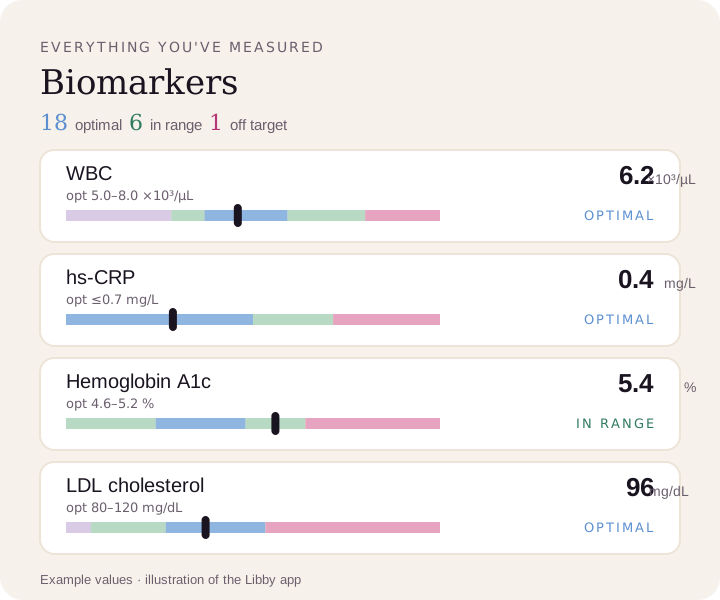
Compare your results to optimal ranges.
Upload a lab PDF or a photo of your report. Libby puts every marker on your lab's range and the optimal range, and tracks your trends over time.
View your WBC ›